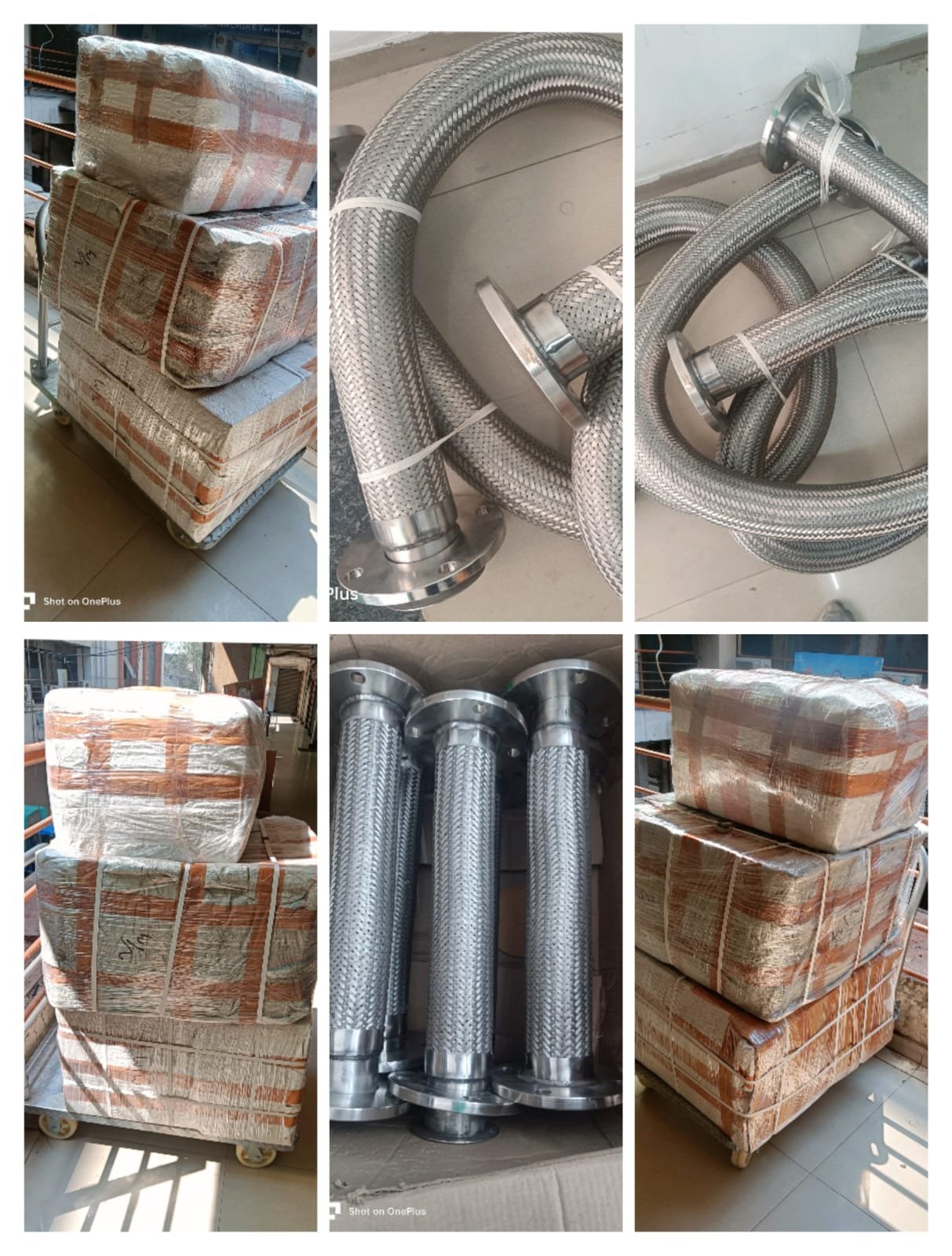
Industrial machinery across Nigeria’s construction, mining, manufacturing and oil and gas sectors relies on dependable hydraulic systems. From excavators and loaders to hydraulic presses and material handling equipment, high pressure hydraulic hoses play a critical role in transferring hydraulic fluid safely and efficiently.
For industrial buyers looking for high pressure hydraulic hoses in Nigeria, selecting the right product involves more than choosing a suitable size or price. Working pressure, fluid compatibility, temperature, reinforcement construction and fitting specifications all play an important role in ensuring reliable operation.
This guide explains how to select the right hydraulic hose for industrial applications, understand different hose constructions and avoid common selection mistakes.
Key Factors to Consider When Selecting High Pressure Hydraulic Hoses
Before purchasing a hydraulic hose, industrial buyers and maintenance engineers should understand the operating requirements of the equipment. The following factors help determine whether a hose is suitable for a particular application.
1. Working Pressure and Pressure Requirements
Working pressure is one of the most important specifications when selecting a high pressure hydraulic hose. The hose must be rated to handle the maximum pressure expected during normal system operation, including pressure variations and surges where applicable.
A hose with an unsuitable pressure rating may experience premature failure, leakage or dangerous rupture. Buyers should check the equipment manufacturer’s specifications and the hydraulic system’s operating requirements before selecting a product.
It is also important to distinguish between working pressure and burst pressure. Burst pressure is not the pressure at which a hose should normally operate. The hose assembly, including its fittings and connections, must have suitable ratings for the intended application.
2. Hose Size, Internal Diameter and Flow Requirements
The internal diameter of a hydraulic hose affects fluid flow and system performance. Selecting an incorrect size can create unnecessary pressure losses, excessive fluid velocity or installation difficulties.
A hose with an internal diameter that is too small for the required flow may increase pressure drop and heat generation. An unnecessarily large hose may create installation challenges and increase costs.
When choosing a hydraulic hose, consider:
- Required hydraulic fluid flow rate.
- Hose internal diameter.
- Connection and fitting sizes.
- Hose length and routing distance.
- Pressure drop across the hose assembly.
The correct size should be determined using the equipment specifications and the system’s flow requirements rather than selecting a hose based only on the external diameter.
3. Temperature and Hydraulic Fluid Compatibility
Hydraulic hoses operate under different temperature and fluid conditions depending on the machinery and working environment.
The hose must be compatible with the hydraulic fluid being used and capable of operating within the specified temperature range. Excessive heat can accelerate material degradation, while unsuitable fluid compatibility can affect the hose’s inner tube and reduce service life.
Before ordering, verify:
- The type of hydraulic fluid.
- Expected fluid temperature.
- Ambient operating temperature.
- Hose inner-tube material compatibility.
- The manufacturer’s specified temperature limits.
These checks are especially important for machinery operating for extended periods or in demanding industrial environments.
4. Hose Reinforcement, Flexibility and Bend Radius
Hydraulic hoses generally contain an inner tube, reinforcement layers and an outer cover. The reinforcement provides the strength needed to withstand the specified pressure, while the inner tube and outer cover serve different protective functions.
The required hose construction depends on the operating pressure, flexibility requirements, equipment movement and installation conditions.
Bend radius is another important consideration. Every hydraulic hose has a specified minimum bend radius. Bending a hose more tightly than permitted can damage its reinforcement, restrict flow and contribute to premature failure.
During installation, avoid twisting, excessive bending, sharp edges and unnecessary tension. Select a hose length and routing arrangement that allow the equipment to move without placing excessive stress on the assembly.
5. Fittings and Connection Compatibility
A hydraulic hose is only as suitable as its complete assembly. Incorrect fittings or incompatible connections can result in leakage, connection failure and safety problems.
Before selecting hydraulic hoses with fittings, confirm:
- Fitting type and connection standard.
- Thread type and size.
- Required hose-end configuration.
- Material compatibility.
- Pressure rating of the complete assembly.
- Correct crimping and assembly requirements.
Do not assume that fittings with similar dimensions or appearances are interchangeable. The connection must match the equipment and the manufacturer’s assembly specifications.
6. Common Types of High Pressure Hydraulic Hoses
- SAE 100 R1: Single-wire braided hydraulic hose for applications where its specified pressure rating is suitable.
- SAE 100 R2: Double-wire braided hydraulic hose for applications requiring the corresponding pressure capacity.
- 4SP Hydraulic Hose: Four-spiral wire reinforced hose for demanding high-pressure hydraulic applications.
- 4SH Hydraulic Hose: Four-spiral wire reinforced hose designed for heavy-duty hydraulic applications within its specified ratings.
Braided vs Spiral Hydraulic Hoses: Understanding the Difference
High pressure hydraulic hoses are available with different reinforcement constructions. Two commonly used categories are wire-braided and wire-spiral hoses. Their suitability depends on pressure requirements, equipment design, flexibility and operating conditions.
Wire-braided hydraulic hoses use steel wire reinforcement arranged in braided layers around the inner tube. Depending on the construction, these hoses can provide a combination of pressure capability and flexibility. They are used in various industrial and mobile hydraulic applications.
Wire-spiral hydraulic hoses use steel wire reinforcement arranged in spiral layers. Certain spiral constructions are designed for demanding high-pressure and heavy-duty applications. Their suitability depends on the specific hose type, pressure rating and manufacturer’s specifications.
| Comparison Factor | Wire-Braided Hose | Wire-Spiral Hose |
| Reinforcement | Braided steel wire layers | Spiral steel wire layers |
| Typical construction examples | R1 and R2, depending on the applicable specification | 4SP and 4SH, depending on the applicable specification |
| Application suitability | Various industrial and mobile hydraulic applications | Selected demanding and high-pressure hydraulic applications |
| Flexibility | Depends on construction, diameter and manufacturer | Depends on construction, diameter and manufacturer |
| Pressure capability | Varies according to hose type and size | Varies according to hose type and size |
| Selection priority | Working pressure, flexibility and application | Working pressure, duty conditions and application |
R1, R2, 4SP and 4SH are not interchangeable labels for every hydraulic hose. Their construction and performance requirements are defined by applicable hose specifications. Buyers should verify the exact hose standard, size, pressure rating and manufacturer’s technical data before ordering.
A spiral hose is not automatically the right choice simply because an application is described as heavy-duty. The correct selection must be based on the equipment’s actual pressure, flow, movement and installation requirements.
Industrial Applications of High Pressure Hydraulic Hoses in Nigeria
Hydraulic hoses support a wide range of machinery and industrial operations. Their specifications vary depending on the equipment, working conditions and required hydraulic performance.
Construction and Infrastructure: Excavators, loaders, cranes, hydraulic breakers and lifting equipment use hydraulic hoses to transfer fluid between pumps, valves and actuators. These applications may involve frequent equipment movement, vibration, changing loads and exposure to dust or abrasive conditions. Hose flexibility, routing, pressure rating and outer-cover suitability should be considered.
Mining and Material Handling: Mining machinery, drilling equipment, loaders and material-handling systems may operate under demanding conditions. Hydraulic hoses must be selected according to the equipment’s pressure requirements, movement, temperature and exposure to external abrasion. Correct installation and regular inspection are important for reducing avoidable equipment interruptions.
Oil and Gas Operations: Hydraulic systems are used in various industrial equipment and machinery associated with oil and gas operations. Hose selection in these environments requires careful attention to working pressure, fluid compatibility, temperature, installation conditions and applicable safety requirements. Buyers should follow the equipment manufacturer’s specifications and relevant site procedures.
Manufacturing and Industrial Processing: Hydraulic presses, production machinery, lifting systems and automated equipment rely on hydraulic components for controlled movement and force transmission. The hose must support the required flow, pressure, duty cycle and machine layout.
Across these applications, selecting a hose according to its actual technical requirements is more important than choosing one based only on its general industry category.
Common Hydraulic Hose Selection Mistakes to Avoid
Incorrect selection and installation can reduce hose service life and create operational risks. Industrial buyers and maintenance teams should avoid the following mistakes:
- Ignoring pressure specifications: Selecting a hose without checking maximum working pressure and possible pressure surges can lead to premature failure.
- Choosing the wrong diameter: Incorrect internal diameter can affect flow, pressure loss and system performance.
- Overlooking fluid and temperature compatibility: The inner tube and hose construction must be suitable for the hydraulic fluid and operating temperature.
- Ignoring bend radius: Excessive bending or twisting can damage the hose reinforcement.
- Using incompatible fittings: Incorrect thread types, connection standards or assembly methods can cause leakage and connection problems.
- Selecting only on price: A low purchase price does not necessarily provide the best value if the product is unsuitable for the application.
- Improper installation: Incorrect routing, excessive tension and contact with sharp edges can contribute to early hose damage.
Checking the technical specifications before ordering can help buyers reduce selection errors and improve equipment reliability.
Hydraulic Hose Inspection and Maintenance
Regular inspection helps identify signs of deterioration before they develop into more serious problems. Maintenance schedules should follow the equipment manufacturer’s recommendations and the site’s safety procedures.
Hydraulic hose inspection should include checking for:
- Visible leakage around hoses and connections.
- Cracks, cuts, abrasion or damaged outer covers.
- Exposed reinforcement or signs of corrosion.
- Kinks, twisting or deformation.
- Loose or damaged fittings.
- Changes in hose routing or contact with moving machine parts.
Hoses showing damage, leakage or other signs of deterioration should be assessed and replaced where necessary. Never attempt to locate a high-pressure hydraulic leak using bare hands. Before servicing a hydraulic system, isolate the power source and safely release stored pressure according to the approved procedure.
For storage, follow the manufacturer’s recommendations and protect unused hoses from excessive heat, direct sunlight, moisture, contamination and physical damage.
Sourcing High Pressure Hydraulic Hoses for Industrial Applications in Nigeria
When sourcing hydraulic hoses for industrial machinery in Nigeria, buyers should provide clear technical information to help identify suitable products.
Before requesting a quotation, prepare the following details:
- Required hose type or construction, if known.
- Hose internal diameter and length.
- Required working pressure.
- Hydraulic fluid type and operating temperature.
- Fitting type, thread and connection details.
- Machinery or application information.
- Required quantity and delivery location in Nigeria.
If the existing hose is being replaced, the markings and specifications on the original product may help identify the required replacement. However, the replacement must still be checked against the equipment manufacturer’s requirements. Do not rely only on visual similarity or the old hose’s external dimensions.
Providing accurate information helps suppliers assess product compatibility and respond to industrial and bulk requirements more effectively.
High Pressure Hydraulic Hose Supply by Aadarsh Hydropneumatics
Aadarsh Hydropneumatics is an Ahmedabad-based supplier of hydraulic and pneumatic products, serving industrial customers across India and international markets.
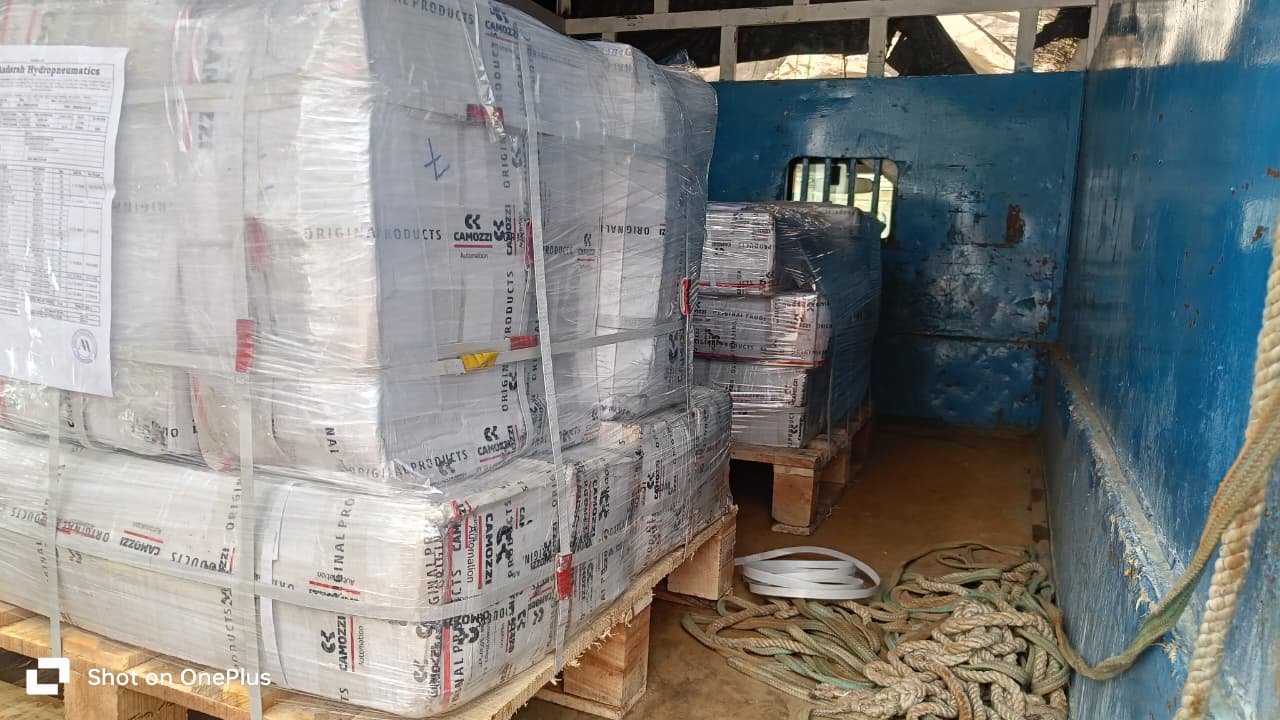
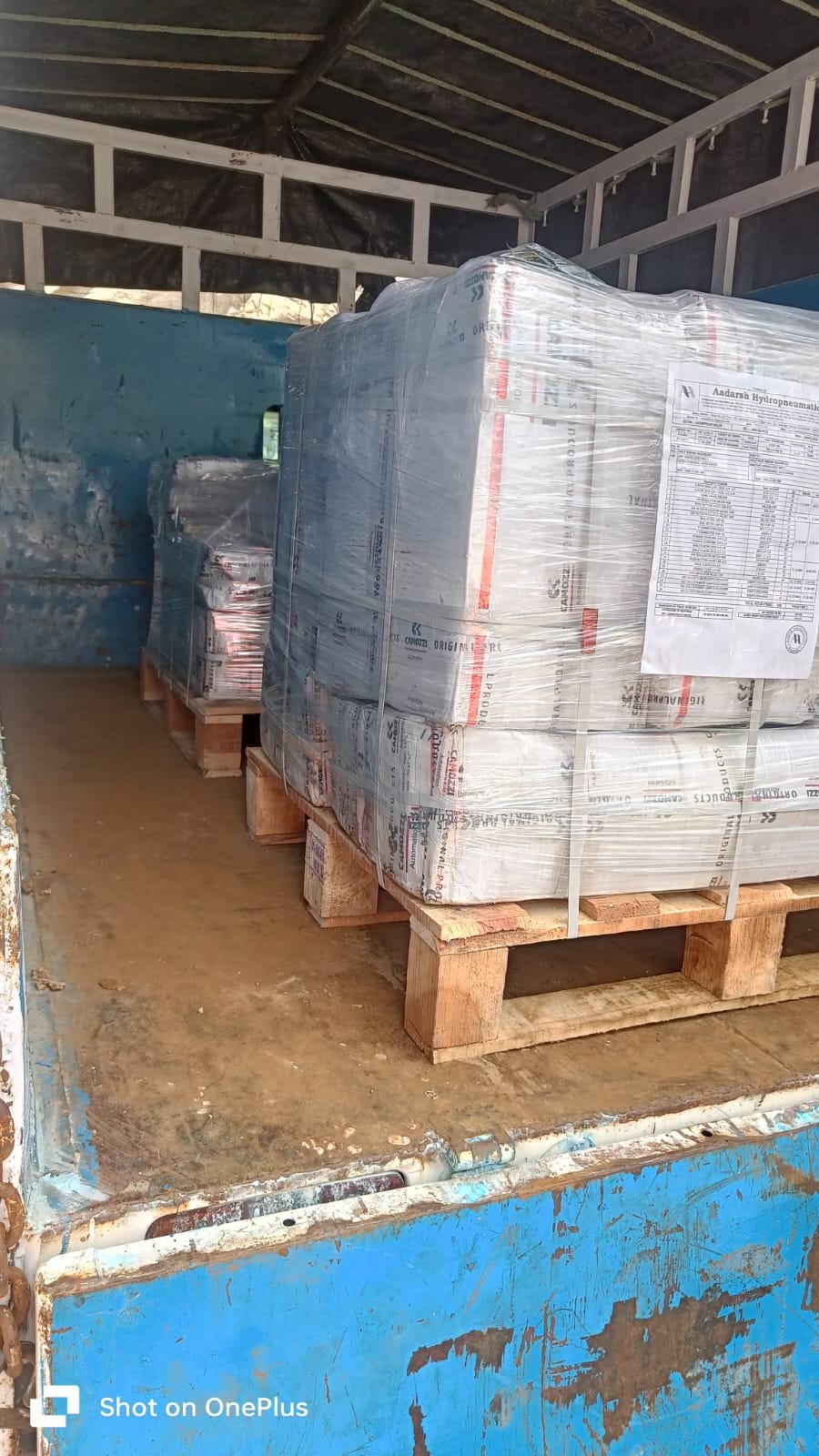
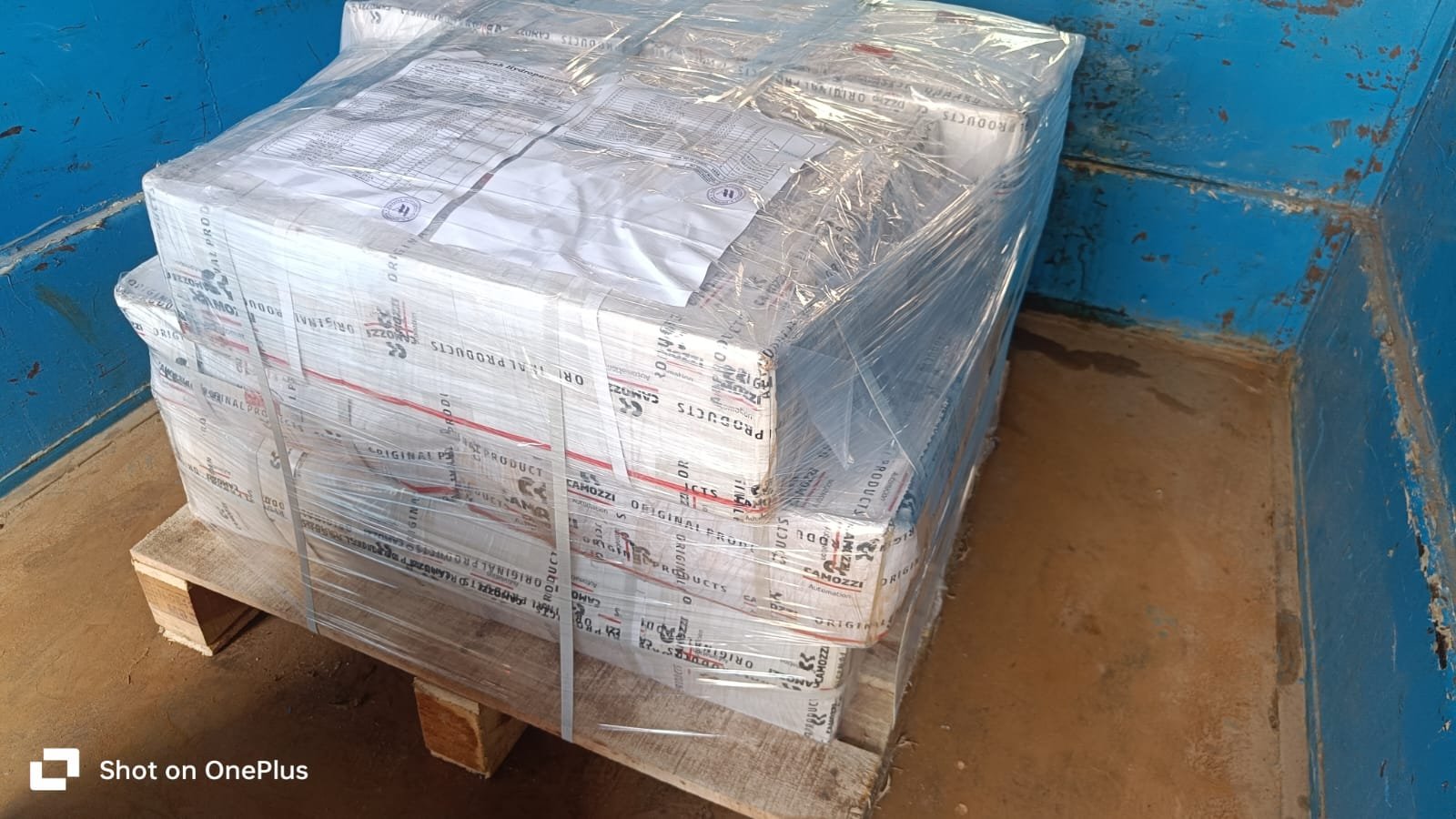
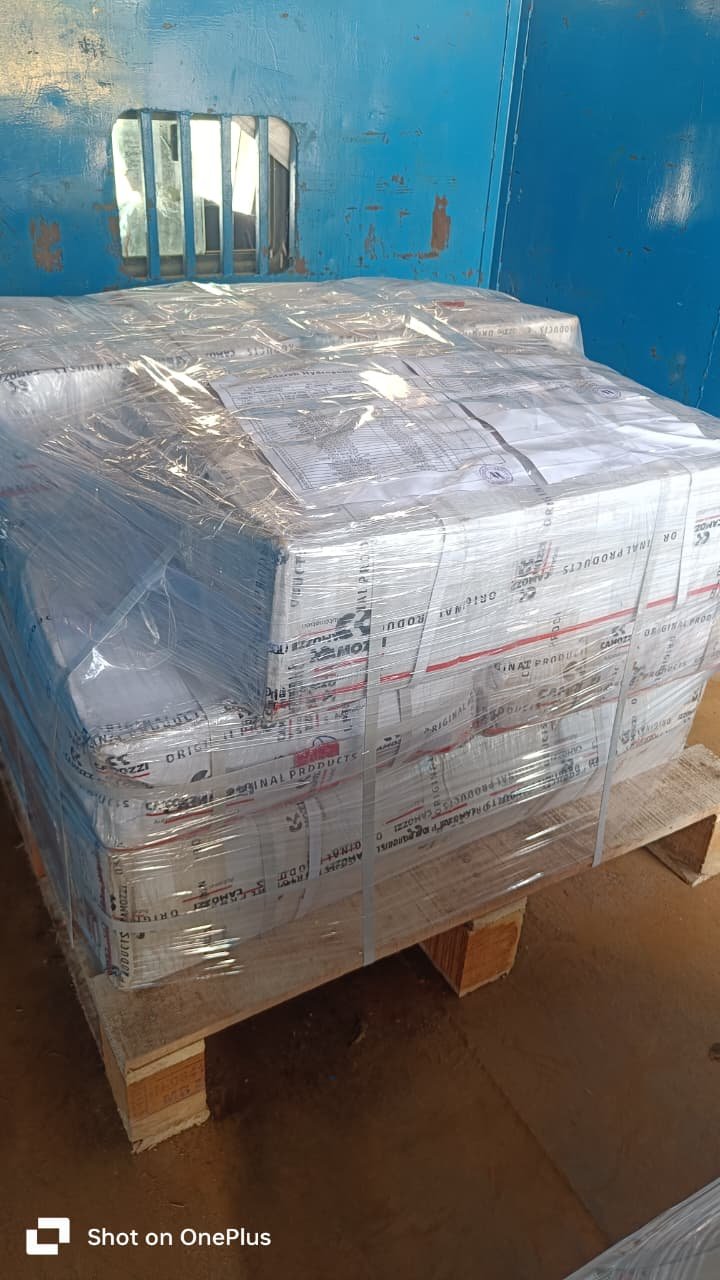
We supply high pressure hydraulic hoses in different constructions, sizes and configurations to meet varied industrial requirements. Our product range includes wire-braided and wire-spiral hydraulic hoses, available with or without fittings depending on customer requirements.
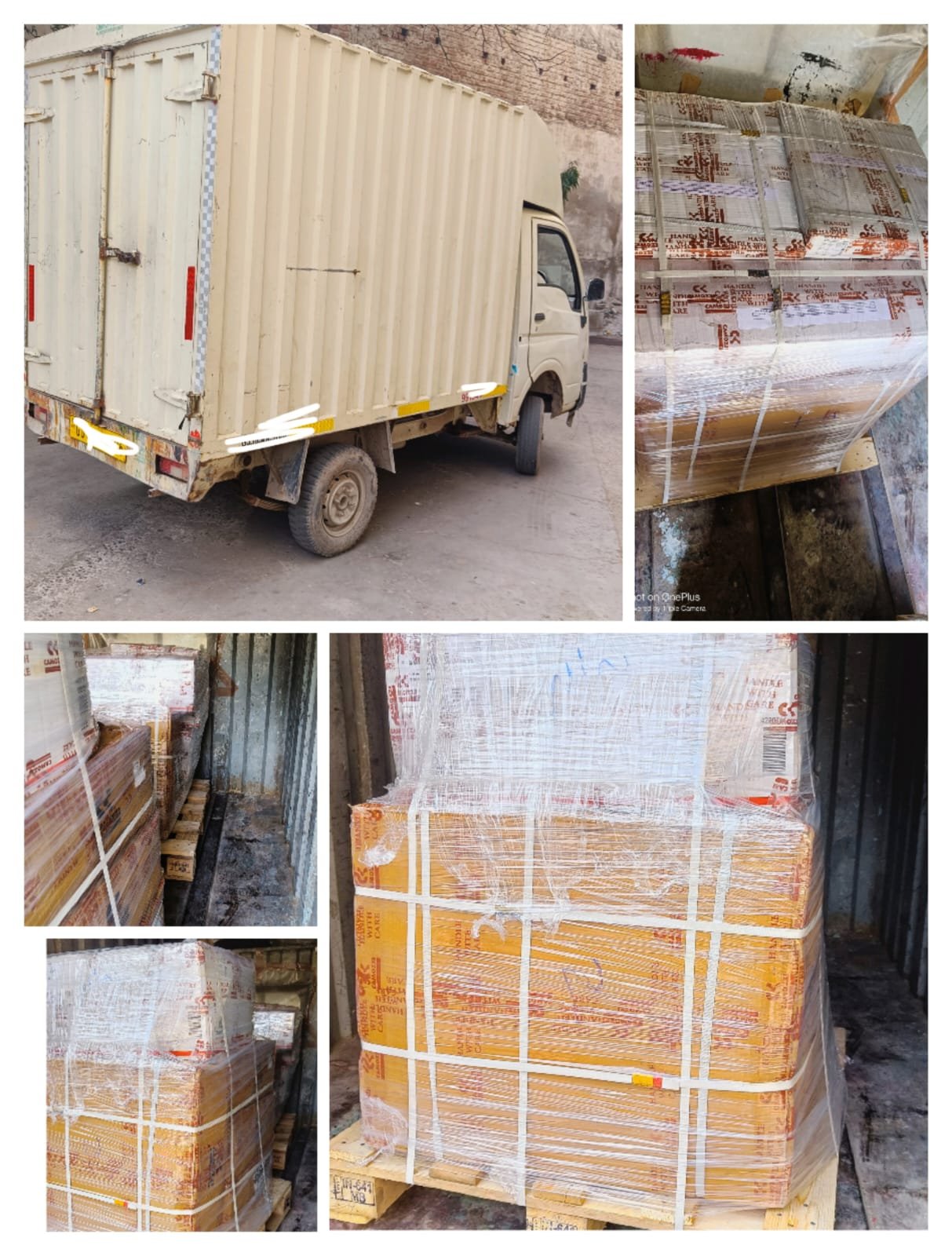
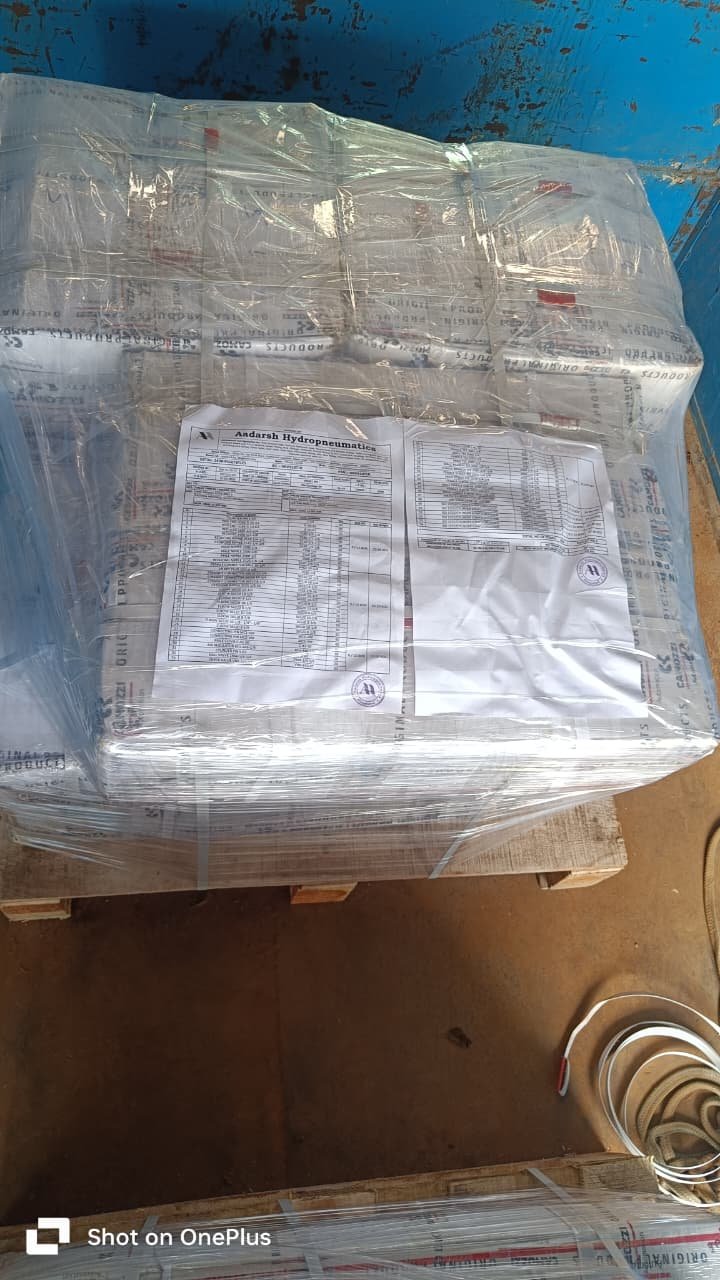
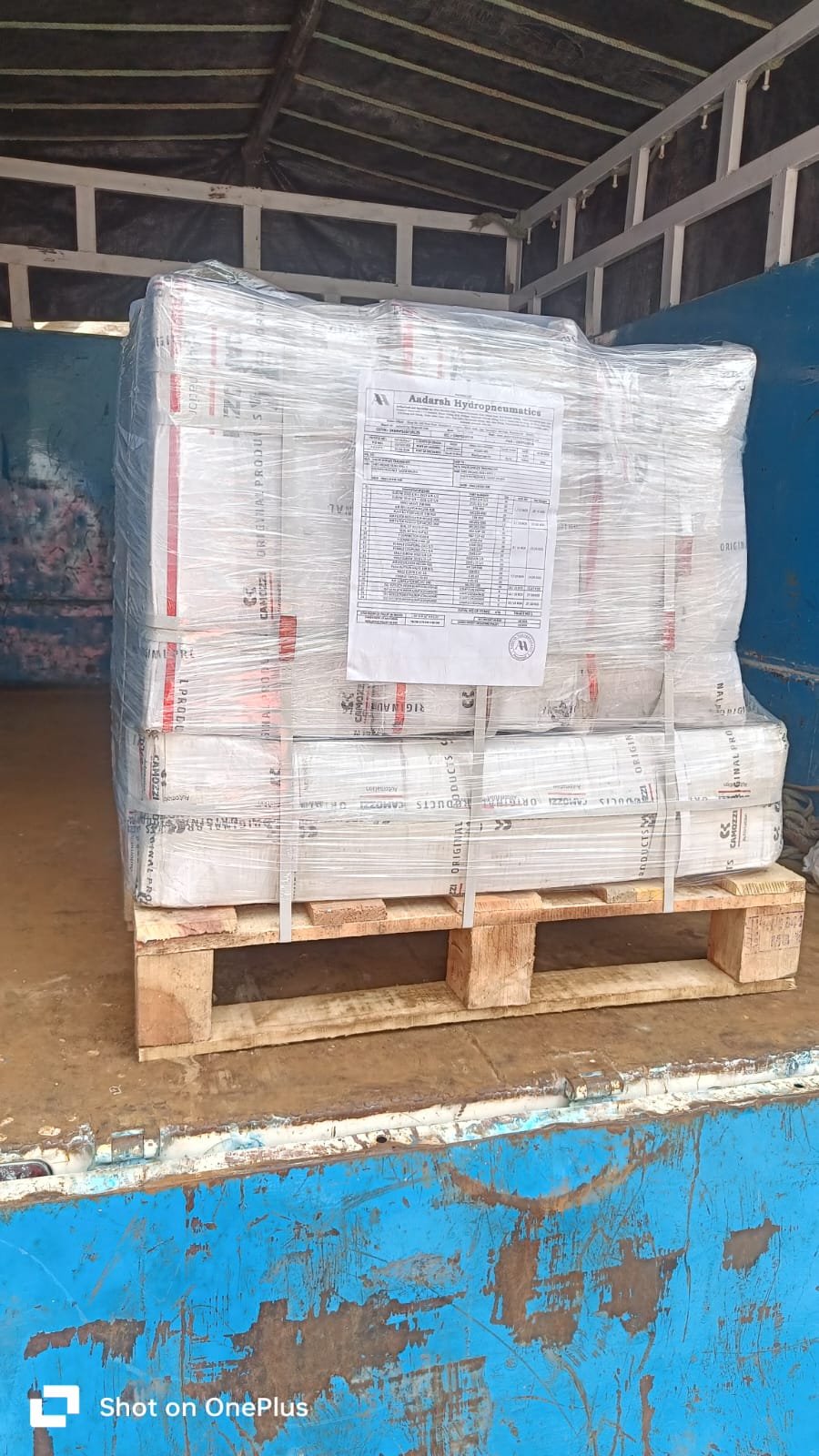
We also support bulk enquiries from Nigerian and other African buyers looking for reliable hydraulic hose sourcing from India.
For product information, visit our Hydraulic High Pressure Hose product range.
For Nigerian industrial buyers, providing complete technical specifications and delivery details can help make the product enquiry more accurate and efficient.
Conclusion
Choosing the right high pressure hydraulic hose is important for the safe and dependable operation of industrial machinery. Working pressure, hose construction, internal diameter, fluid compatibility, temperature, bend radius and fittings all influence whether a hose is suitable for its intended application.
For construction, mining, oil and gas and manufacturing operations in Nigeria, buyers should evaluate the complete operating requirements rather than selecting a hose based only on price or general product descriptions.
Aadarsh Hydropneumatics supports industrial and bulk hydraulic hose requirements from Ahmedabad, India, including enquiries from Nigeria and other African countries.
Looking for a Hydraulic Hose Supplier from India?
Whether you require hydraulic hoses for construction machinery, mining equipment, manufacturing plants or other industrial applications in Nigeria, Aadarsh Hydropneumatics is ready to assist.
Share your required hose specifications, sizes, pressure ratings and quantities with us for product enquiries and sourcing assistance.
Aadarsh Hydropneumatics – Where Power Meets Perfection.