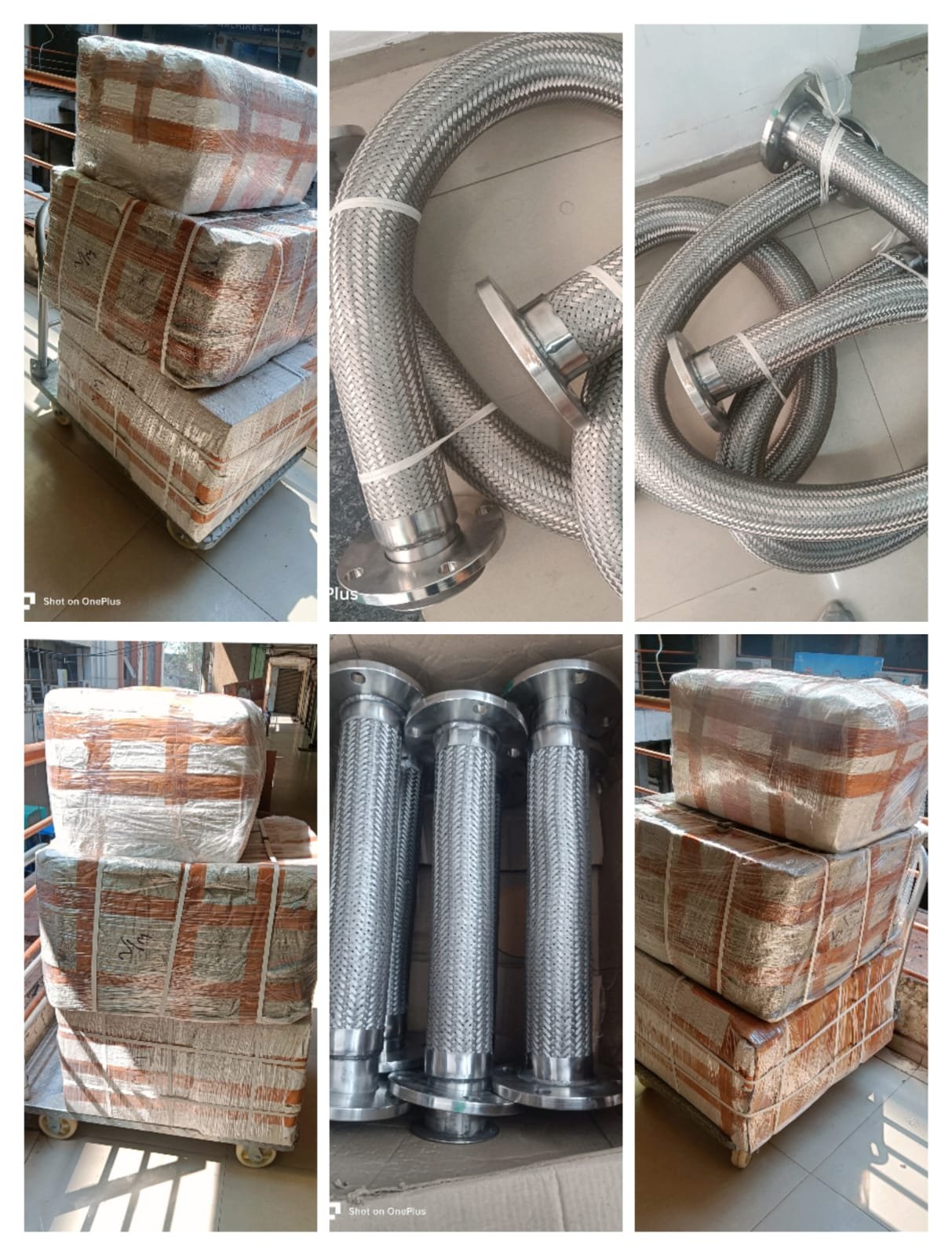
Construction and mining operations in Kenya depend on heavy machinery that must perform reliably in demanding working environments. Excavators, loaders, drilling equipment, haul trucks and other hydraulic machines rely on hydraulic systems to transfer power and control movement.
A Hydraulic High Pressure Hose is an important part of these systems because it carries hydraulic fluid between pumps, valves, cylinders and other components. Hose selection becomes especially important where equipment operates under high pressure, vibration, abrasion, temperature changes and continuous movement.
For Kenyan construction and mining companies, choosing the right hydraulic high pressure hose involves more than matching the hose diameter. Pressure rating, hose size, temperature, reinforcement, application, fittings, bend radius and operating conditions should all be considered before purchasing.
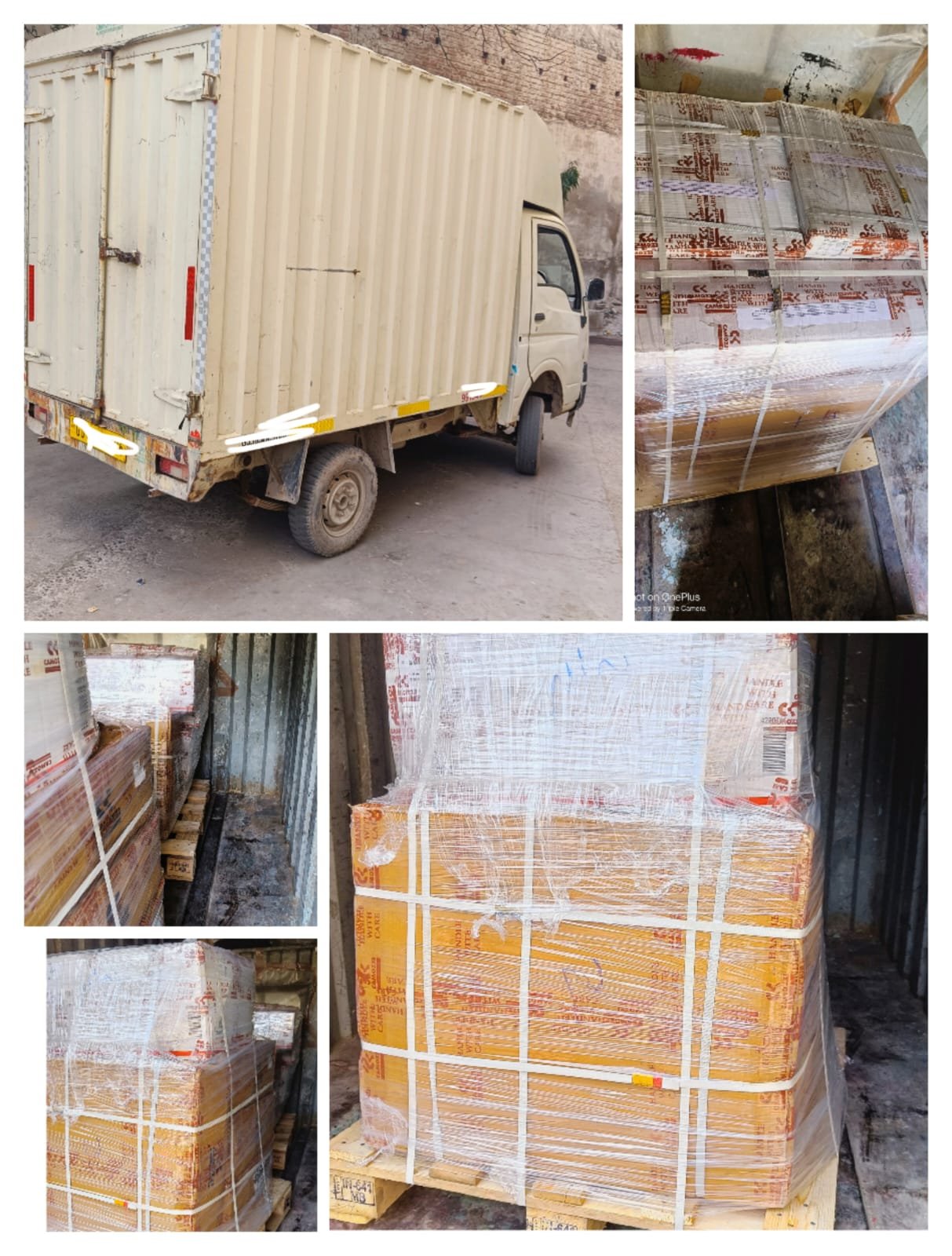
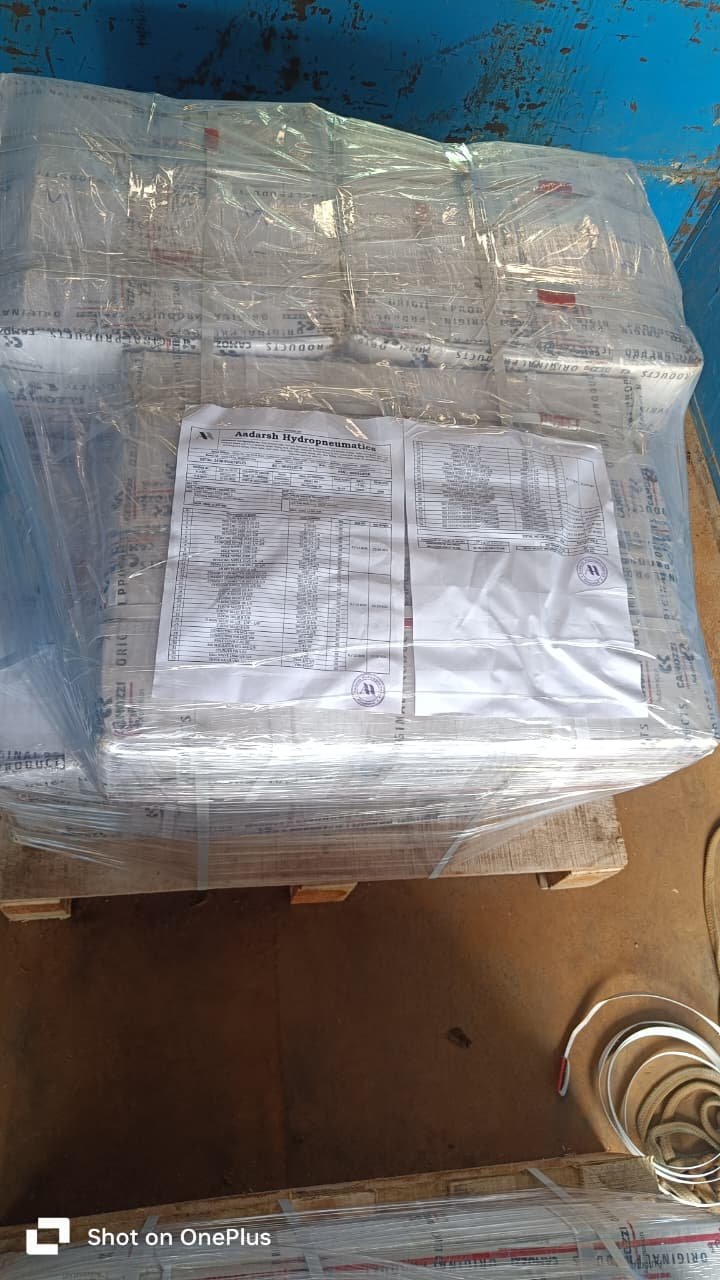
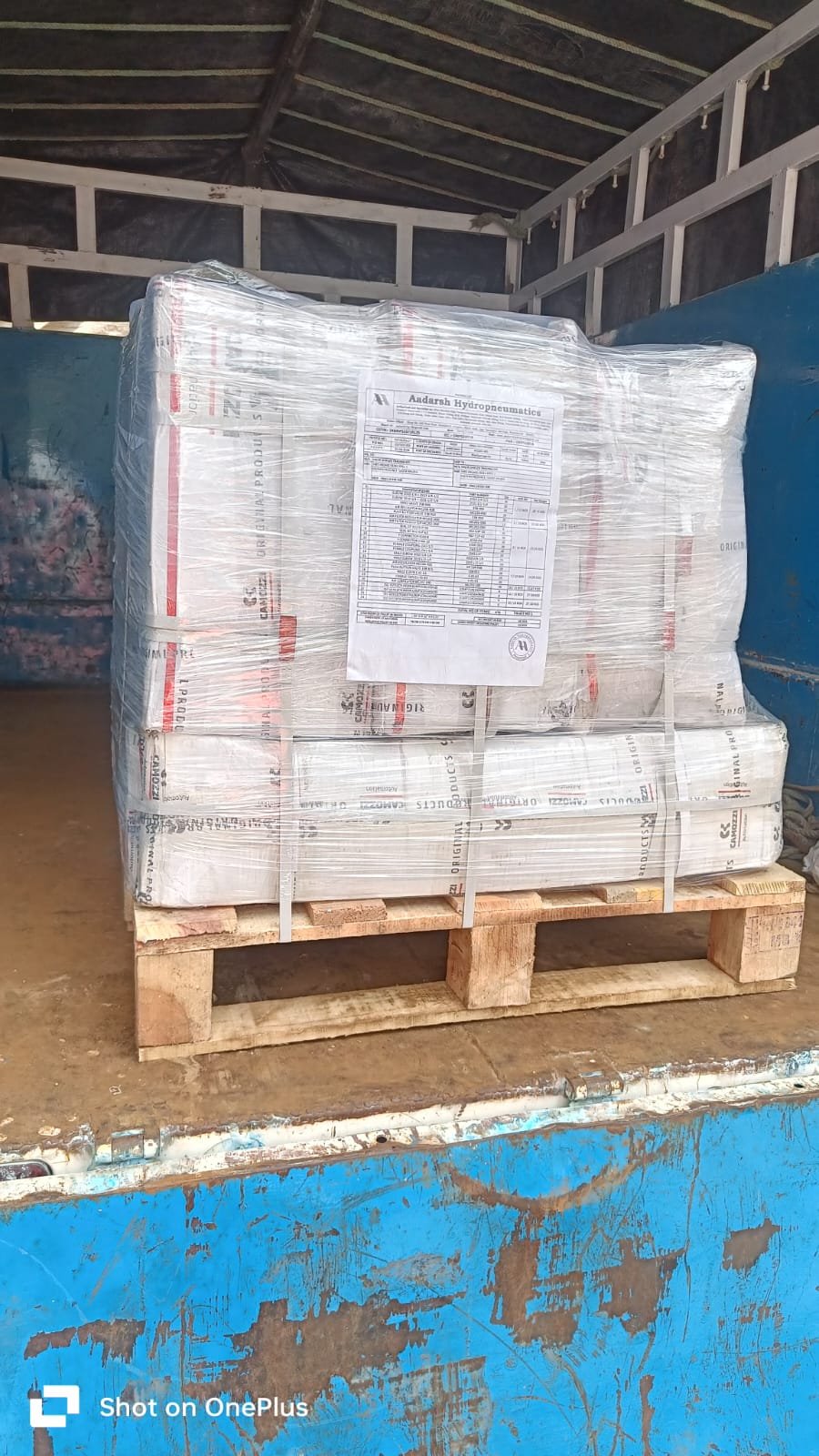
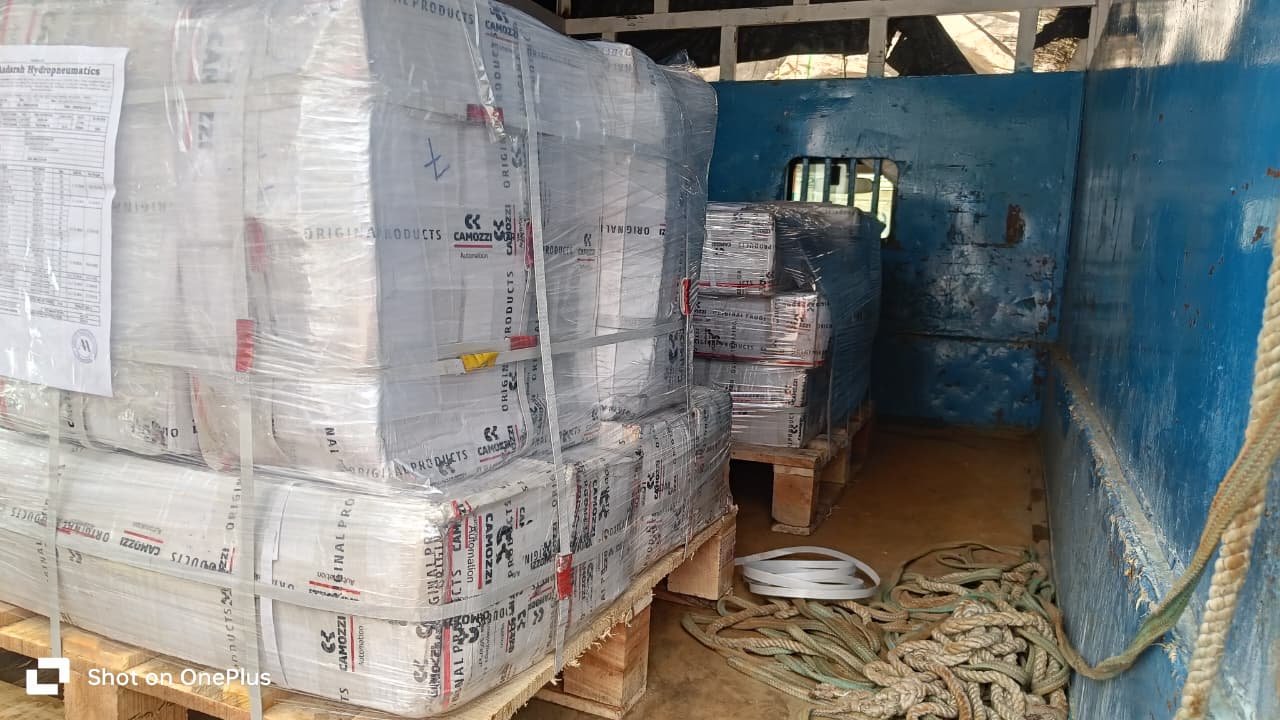
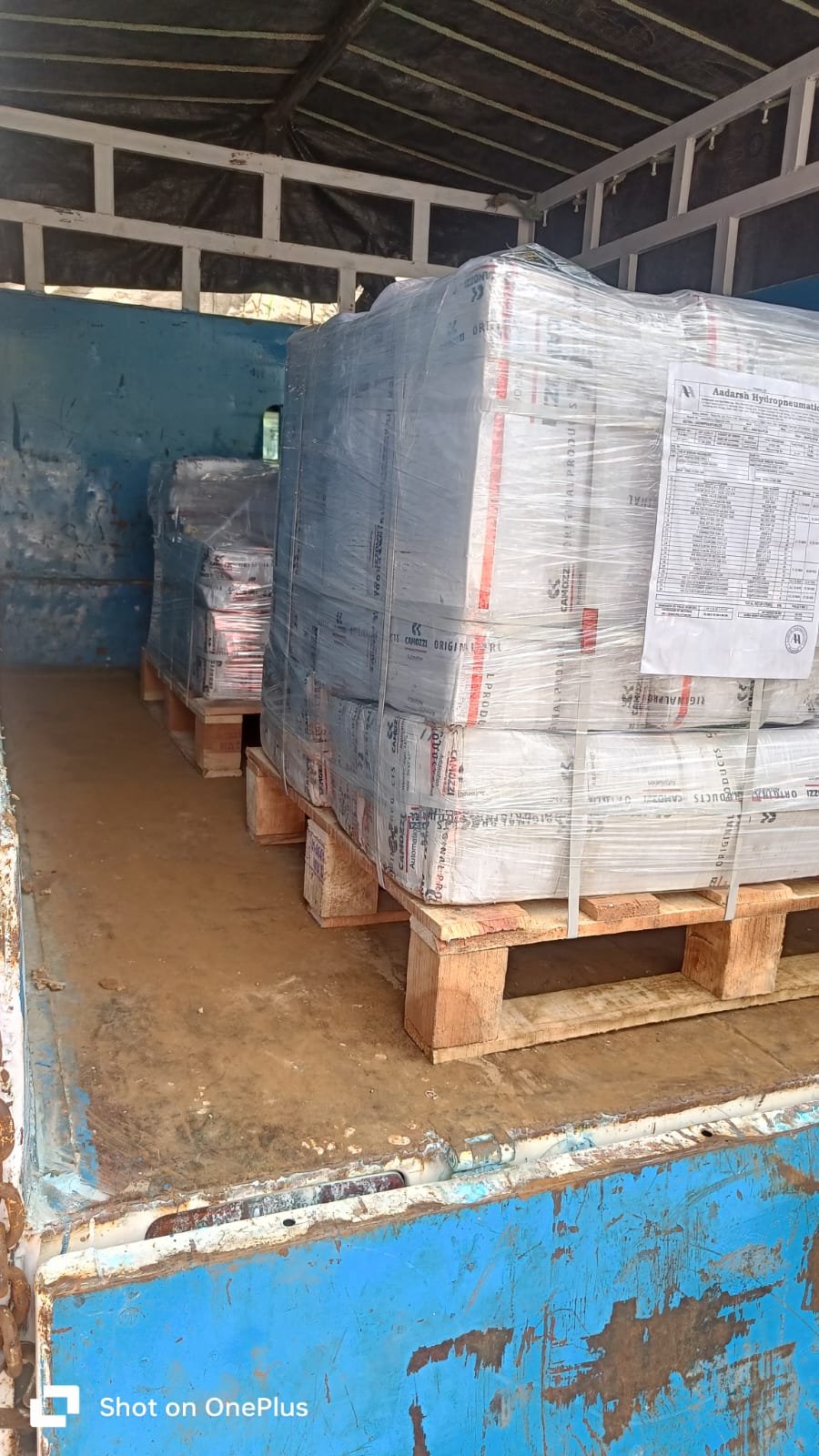
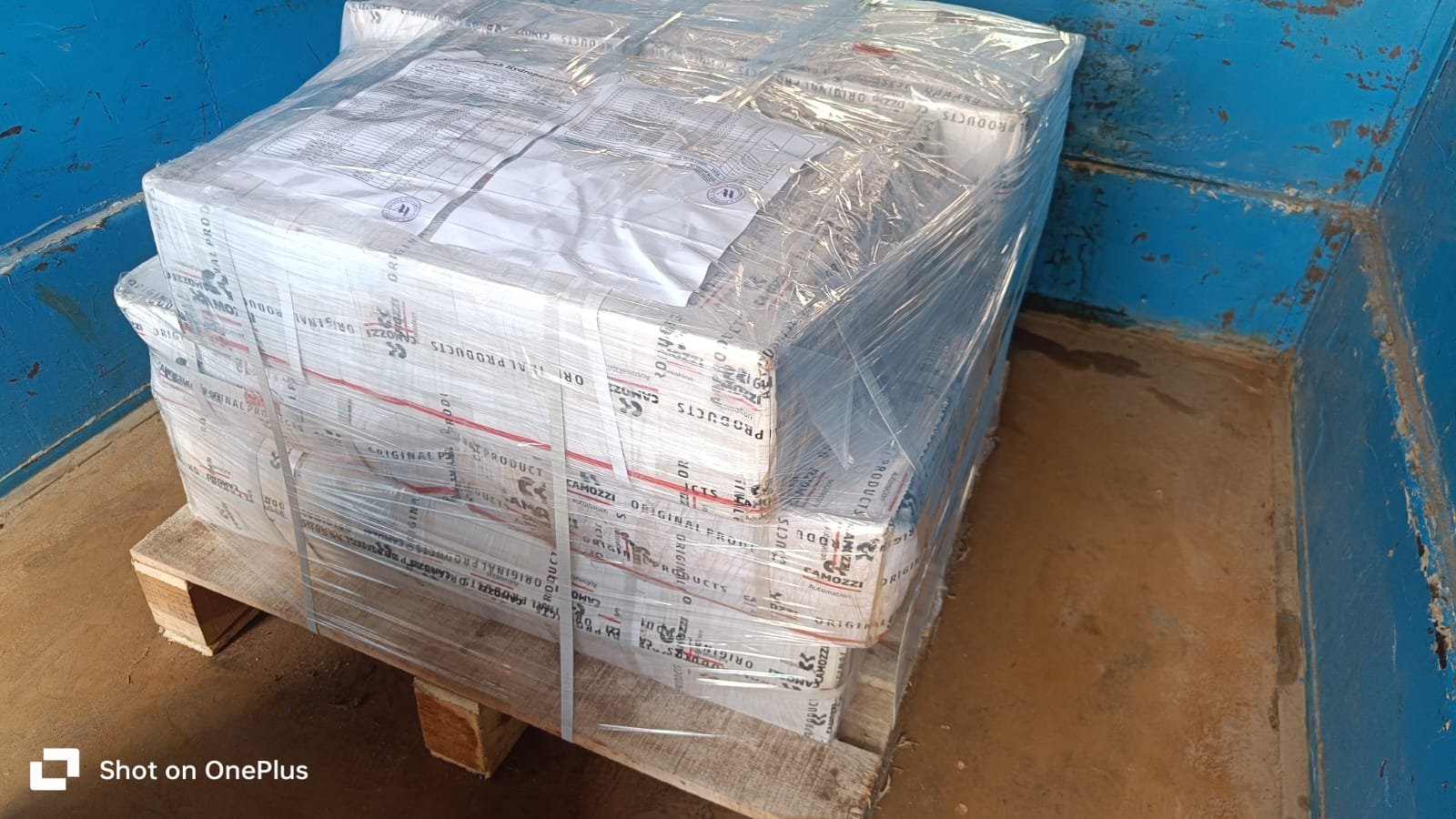
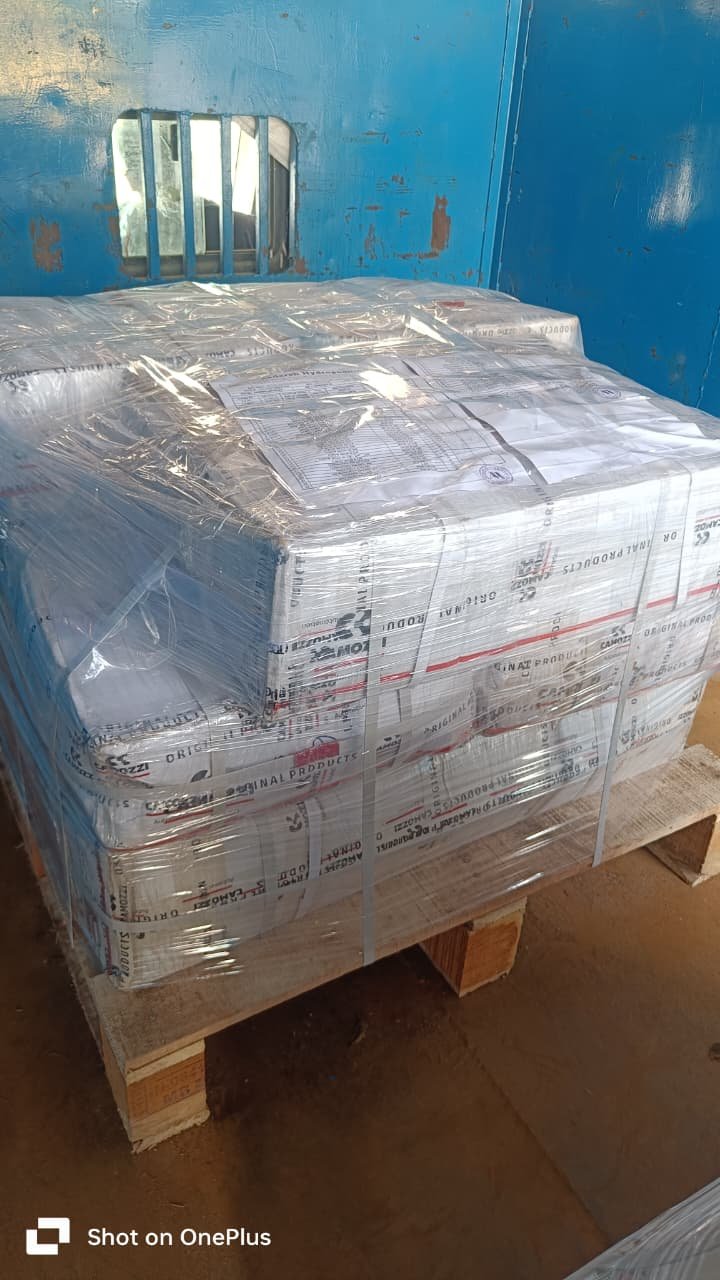
For buyers sourcing hydraulic hoses from India, Aadarsh Hydropneumatics supports hydraulic hose requirements for Kenya and other African markets based on application, specification and quantity.
What Is a Hydraulic High Pressure Hose?
A Hydraulic High Pressure Hose is a flexible hose designed to carry hydraulic fluid under pressure within hydraulic machinery and equipment.
These hoses connect different components of a hydraulic system and allow hydraulic power to be transferred while accommodating movement between connected components.
In construction equipment, hydraulic hoses can be found in systems used for:
- Excavators
- Wheel loaders
- Backhoe loaders
- Cranes
- Dump trucks
- Other hydraulic construction machinery
In mining operations, hydraulic hoses can be used in:
- Drilling equipment
- Mining machinery
- Excavators and loaders
- Material-handling equipment
- Crushing and processing machinery
- Other heavy-duty hydraulic systems
Because these machines can operate in demanding environments, the hose needs to be selected according to the actual pressure, temperature, movement and application requirements.
Why Hydraulic High Pressure Hose Selection Matters in Kenya
Hydraulic hose failure can interrupt equipment operation and may result in fluid leakage, unplanned maintenance and machinery downtime.
Construction and mining environments can expose hoses to:
- High operating pressure
- Continuous vibration
- Abrasion
- Repeated bending
- Temperature changes
- Dust and dirt
- Mechanical movement
- Heavy equipment operation
Selecting a suitable hydraulic hose for the application can help support reliable hydraulic system operation and reduce the risk of selecting a hose that is unsuitable for the working conditions.
Hydraulic High Pressure Hose Applications in Kenya
Construction Equipment
Hydraulic systems are widely used in construction machinery for lifting, digging, steering and other machine functions.
Hydraulic High Pressure Hoses may be required for equipment such as:
- Excavators
- Wheel loaders
- Backhoe loaders
- Cranes
- Dump trucks
- Hydraulic lifting equipment
These applications can involve frequent movement and bending, so hose flexibility, pressure capability, bend radius and fitting configuration should be considered during selection.
Mining Equipment
Mining environments can place additional demands on hydraulic components because equipment may operate continuously in areas with abrasive materials, dust, vibration and heavy mechanical loads.
Hydraulic hoses may be used in:
- Mining drills
- Excavators
- Heavy loaders
- Material-handling equipment
- Crushing systems
- Other hydraulic mining machinery
For mining applications, buyers should pay particular attention to hose construction, abrasion exposure, pressure requirements, temperature and routing.
How to Choose the Right Hydraulic High Pressure Hose
Choosing a hydraulic hose based only on diameter is not enough. The hose should match the hydraulic system and operating environment.
| Selection Factor | What to Check | Why It Matters |
| Hose Size | Required internal diameter | Helps ensure suitable hydraulic flow |
| Working Pressure | Maximum operating pressure | Hose pressure rating must suit the hydraulic system |
| Temperature | Operating temperature range | Helps determine suitable hose construction |
| Application | Construction, mining or other equipment | Different applications create different demands |
| Reinforcement | Required hose reinforcement/construction | Supports pressure handling |
| Abrasion | Exposure to rubbing or external wear | Important for heavy-duty environments |
| Bend Radius | Minimum required bending radius | Helps prevent excessive bending |
| Length | Required hose assembly length | Ensures correct installation |
| Fittings | End connection and fitting type | Helps ensure compatibility with equipment |
| Fluid Compatibility | Hydraulic fluid being used | Hose material should be suitable for the fluid |
For project or replacement requirements, buyers can also provide a photograph of the existing hose, hose marking, drawing or equipment details to help communicate the required specification.
Key Technical Factors to Consider
Pressure Rating
The hydraulic hose should have a working pressure rating suitable for the hydraulic system’s maximum operating pressure and application requirements.
Do not select a hose based only on the average operating pressure. The complete system requirements and applicable hose specifications should be considered.
Hose Size
The correct hose diameter is important for hydraulic flow and system performance.
Before ordering, confirm the required internal diameter and connection size rather than selecting a hose based only on external appearance.
Temperature
Hydraulic systems can operate at elevated temperatures, while outdoor machinery may also experience changing environmental conditions.
The selected hose should be suitable for the actual operating temperature range of the hydraulic system.
Reinforcement and Construction
Hydraulic hoses are available with different constructions and reinforcement configurations for different pressure and application requirements.
The required construction should be selected according to the working pressure, flexibility, application and operating environment.
Abrasion Resistance
Construction and mining equipment can operate around rough surfaces, metal structures and abrasive materials.
Where the hose is exposed to rubbing or external wear, suitable abrasion resistance and proper hose routing should be considered.
Fittings and Connections
Even when the hose itself is suitable, an incorrect fitting or connection can create leakage or installation problems.
Before ordering, confirm:
- Fitting type
- Connection size
- Thread or connection configuration
- Hose assembly length
- Equipment connection requirements
Hydraulic Hose Standards and Specifications
Hydraulic hoses are available in different constructions and specifications depending on pressure, application and operating conditions. Common hydraulic hose standards include SAE, EN and ISO specifications. Depending on the application, buyers may require hose constructions such as SAE 100 R1, SAE 100 R2, EN 853, ISO 1436, ISO 18752, 4SP or 4SH.
How to Identify an Existing Hydraulic Hose
If the exact hose specification is not available, buyers can share photographs of the existing hose, hose markings, fittings and equipment connection. Hose markings can help identify important information such as size, pressure rating, standard and manufacturer specification.
Providing photographs along with the required length and quantity can help suppliers understand the replacement requirement more accurately.
Hydraulic Hose Maintenance for Construction and Mining Equipment
Regular inspection can help identify hose problems before they develop into more serious equipment issues.
During maintenance, inspect hydraulic hoses for:
- Visible abrasion
- Cuts or cracks
- Leakage
- Bulging
- Damaged fittings
- Excessive bending
- Twisting
- Loose or damaged connections
A hose showing significant external damage or other signs of deterioration should be evaluated and replaced according to the equipment manufacturer’s maintenance requirements and applicable safety procedures.
Proper hose routing and installation are also important because unnecessary rubbing, twisting or sharp bending can contribute to premature wear.
Common Mistakes When Buying Hydraulic High Pressure Hoses
Choosing Only by Hose Diameter
A correct diameter does not automatically mean the hose is suitable. Pressure, temperature, construction, fittings and application must also be considered.
Ignoring Working Pressure
Using a hose that is not suitable for the hydraulic system’s operating pressure can create serious reliability and safety concerns.
Overlooking Abrasion
Mining and construction equipment can expose hoses to abrasive conditions. External protection, routing and suitable hose construction should be considered where required.
Selecting the Wrong Fittings
Incorrect fittings can lead to leakage, connection problems and installation delays.
Ignoring Bend Radius
Excessive bending can place unnecessary stress on the hose. The manufacturer’s specified minimum bend radius should be considered during installation.
Buying Only on Price
Price should not be the only selection factor. Buyers should compare hose specifications, pressure capability, construction, application suitability, fittings and required quantity.
Hydraulic High Pressure Hose Supply from India to Kenya
Kenyan construction companies, mining businesses, equipment suppliers, engineering companies, maintenance teams and industrial distributors may source hydraulic hoses from international suppliers based on their project and replacement requirements.
Aadarsh Hydropneumatics is an India-based supplier and exporter supporting hydraulic hose requirements for buyers in Kenya and other African markets.
For a Hydraulic High Pressure Hose requirement, Kenyan buyers can share their technical details, application and quantity so the required product configuration can be discussed before quotation.
This approach can be useful for:
- Construction equipment suppliers
- Mining equipment companies
- EPC and engineering companies
- Industrial distributors
- Maintenance teams
- Heavy equipment operators
- Project-based bulk buyers
Why Choose Aadarsh Hydropneumatics for Kenya Requirements?
Aadarsh Hydropneumatics is an Ahmedabad, India-based supplier and merchant exporter of industrial hydraulic products. We support overseas buyers with hydraulic hoses and related hydraulic components based on application, specification and quantity requirements.
For Kenyan hydraulic hose requirements, buyers can discuss:
- Hydraulic hose specifications
- Hose size and working pressure
- Fittings and connections
- Project or replacement requirements
- Bulk and export enquiries
Providing these details helps create a clearer product requirement before quotation.
Request a Hydraulic Hose Quote from India
Looking for a Hydraulic High Pressure Hose supplier from India for construction or mining applications in Kenya?
Share the following details with your enquiry:
- Hose size / internal diameter
- Required length
- Working pressure
- Operating temperature
- Machine or application
- Hose construction requirement
- Fitting / connection details
- Required quantity
- Existing hose photograph or drawing, if available
Aadarsh Hydropneumatics can discuss your hydraulic hose requirement and export supply from India to Kenya based on the specifications provided.
Request a Quote: Share your application, hose size, pressure, fittings and quantity to discuss suitable hydraulic hose options.
Conclusion
Hydraulic High Pressure Hoses are important components in construction and mining machinery, where pressure, movement, abrasion and demanding operating conditions can affect hose performance.
For hydraulic hose requirements in Kenya, buyers can share hose size, working pressure, length, fittings, application and quantity to discuss suitable options and request a quotation from India.