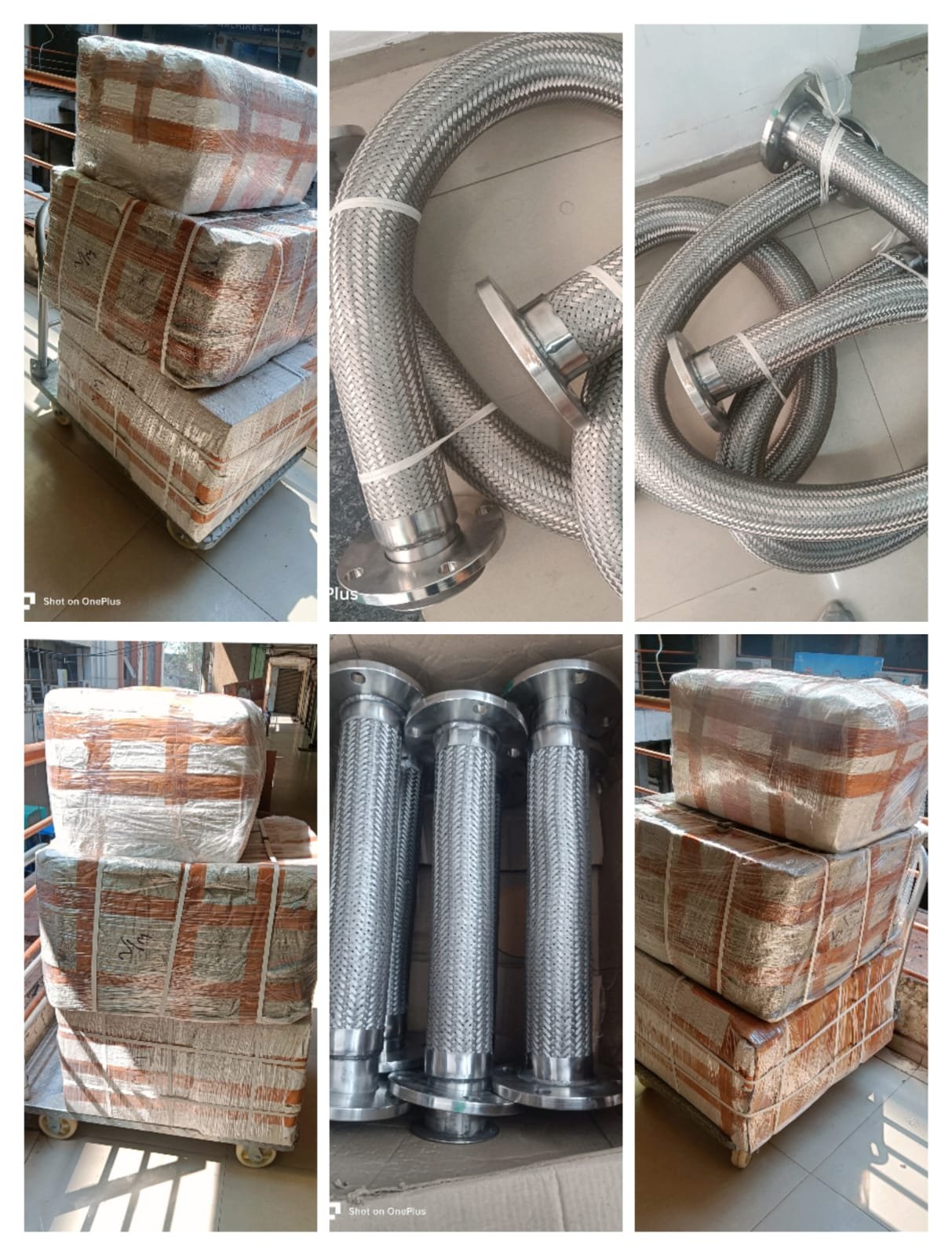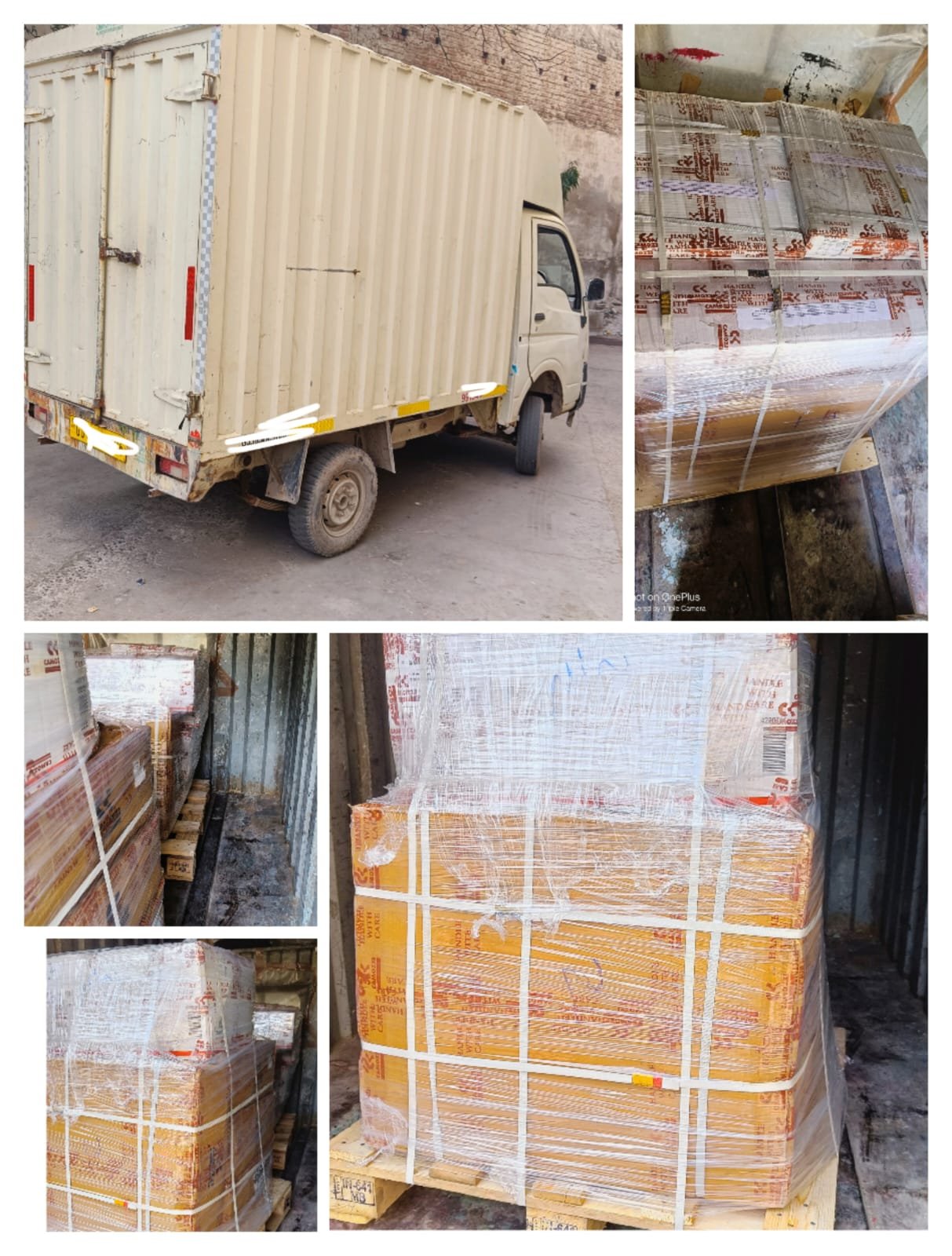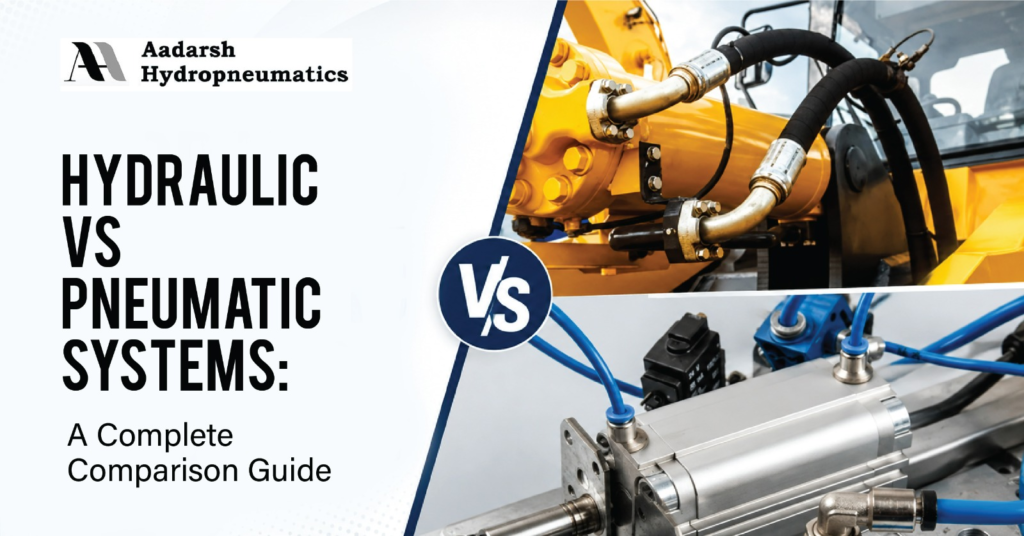
When choosing a fluid power system for smooth motion, controlled operation, and reliable machinery performance, hydraulic and pneumatic systems are two of the main options to consider. Both systems use pressurised fluid to transmit power and help operate machinery, lifts, automation equipment, and other industrial systems.
The main difference is that hydraulic systems use pressurised liquid, while pneumatic systems use compressed air. Because of this difference, each system offers specific advantages, limitations, and applications.
In this guide, we explain the key differences between hydraulic vs pneumatic systems, their advantages, maintenance requirements, applications, and the factors businesses should consider when selecting the right system.
Hydraulic vs Pneumatic Systems: Quick Comparison
Hydraulic systems use pressurised liquid and are generally preferred for high-force and heavy-duty applications, while pneumatic systems use compressed air and are commonly selected for fast, lightweight, and clean automation applications.
| Factor | Hydraulic Systems | Pneumatic Systems |
|---|---|---|
| Power Medium | Pressurised liquid | Compressed air |
| Force | High | Generally lower than hydraulics |
| Speed | Moderate | Generally faster actuation |
| Heavy Loads | Suitable for heavy loads | Better suited to lighter operations |
| Typical Applications | Construction, mining, manufacturing, agriculture | Packaging, automation, food processing, assembly |
| Maintenance | Requires attention to fluid, filters, seals and hoses | Requires clean, dry air and leak management |
| Energy Consideration | Efficient power transmission | Air leaks can increase energy consumption |
| Operating Environment | Suitable for high-force industrial applications | Suitable for clean and fast automation applications |
Hydraulic vs Pneumatic Systems – Differences & Similarities
Both hydraulic and pneumatic systems are fluid power systems that use pressure to transmit energy and operate machinery.
Hydraulic Systems
Hydraulic systems use fluid under pressure. Because hydraulic fluid is relatively incompressible, these systems can generate high force and provide controlled power transmission.
As a result, hydraulic systems are commonly used in machinery and equipment that require high force, heavy-load handling, and controlled movement.
Pneumatic Systems
Pneumatic systems use compressed air. Since air is compressible, pneumatic systems can provide fast actuation and relatively simple operation for suitable applications.
They are commonly used in packaging equipment, assembly machines, grippers, stamping machines, automation systems, and other applications where speed and simplicity are important.
Key Differences Between Hydraulic and Pneumatic Systems
Force and Load Capacity
Hydraulic systems generally generate higher force than pneumatic systems. This makes them suitable for carrying heavy loads and operating heavy-duty machinery.
Pneumatic systems are generally better suited to lighter operations where fast movement and simple actuation are more important than maximum force.
Speed and Operation
Pneumatic systems generally provide faster actuation and are widely used in applications where rapid repetitive movement is required.
Hydraulic systems, on the other hand, are commonly selected when higher force and controlled power transmission are the priority.
Cost and Maintenance
Hydraulic systems can involve higher equipment and maintenance requirements because they use pumps, hydraulic fluid, filters, seals, and hoses.
Pneumatic systems can have a simpler setup in suitable applications. However, compressed-air leaks can result in energy losses and should be identified and corrected as part of regular maintenance.
Which System Is Better for Your Business?
There is no single system that is better for every application. The right choice depends on factors such as required force, operating speed, working environment, maintenance requirements, and application conditions.
Choose Hydraulic Systems When You Need High Force
Hydraulic systems are suitable when an application requires high force and heavy-load handling.
They are commonly used in:
- Construction machinery
- Mining equipment
- Manufacturing machinery
- Agricultural equipment
- Logistics and material-handling equipment
Choose Pneumatic Systems When You Need Speed and Simplicity
Pneumatic systems are suitable when fast actuation, simple operation, and clean working conditions are important.
They are commonly used in:
- Food-processing equipment
- Pharmaceutical applications
- Packaging machinery
- Assembly systems
- Automation equipment
- Clean production environments
Safety, Maintenance and Efficiency
Both hydraulic and pneumatic systems require proper maintenance to maintain reliable performance and operational efficiency.
Hydraulic System Maintenance
Hydraulic systems require regular attention to potential fluid leakages, oil quality, worn hoses, seals, filters, and heat generation.
Even a small hydraulic leak can affect system performance and may create safety or equipment-related concerns. However, hydraulic systems provide effective power transmission for demanding applications.
Pneumatic System Maintenance
Pneumatic systems require clean and dry compressed air for reliable operation. Regular maintenance should include checking for air leaks, monitoring pressure, and maintaining relevant components such as filters and silencers.
Pneumatic systems can be suitable for clean production environments, but compressed-air leaks can increase energy consumption and reduce system efficiency.
How to Choose Between Hydraulic and Pneumatic Systems?
Before selecting a system, consider the following factors:
Required Force
If the machinery needs high force or heavy-load handling, a hydraulic system is generally more suitable.
Required Speed
If fast repetitive movement is the priority, a pneumatic system may be more suitable for the application.
Working Environment
Consider whether the application requires a clean operating environment, exposure to demanding conditions, or specific fluid and air requirements.
Maintenance Requirements
Evaluate the maintenance involved with hydraulic fluid, pumps, filters, seals, hoses, compressed-air quality, and potential leaks.
Operating Cost and Efficiency
Consider energy consumption, maintenance costs, equipment requirements, and the expected operating conditions before making the final selection.
Conclusion
Choosing between hydraulic vs pneumatic systems depends on the specific requirements of your machinery and working environment. Hydraulic systems are generally preferred for high-force, heavy-duty applications, while pneumatic systems are commonly selected for fast, lightweight, and clean automation applications.
Before choosing a system, consider force, speed, precision, maintenance requirements, operating conditions, and overall costs.
If you need reliable hydraulic and pneumatic products, valves, pumps, hoses, fittings, and related components for your industrial applications in India, Aadarsh Hydropneumatics can help you identify suitable solutions for your requirements.
Contact Aadarsh Hydropneumatics to discuss your hydraulic and pneumatic system requirements with our team.