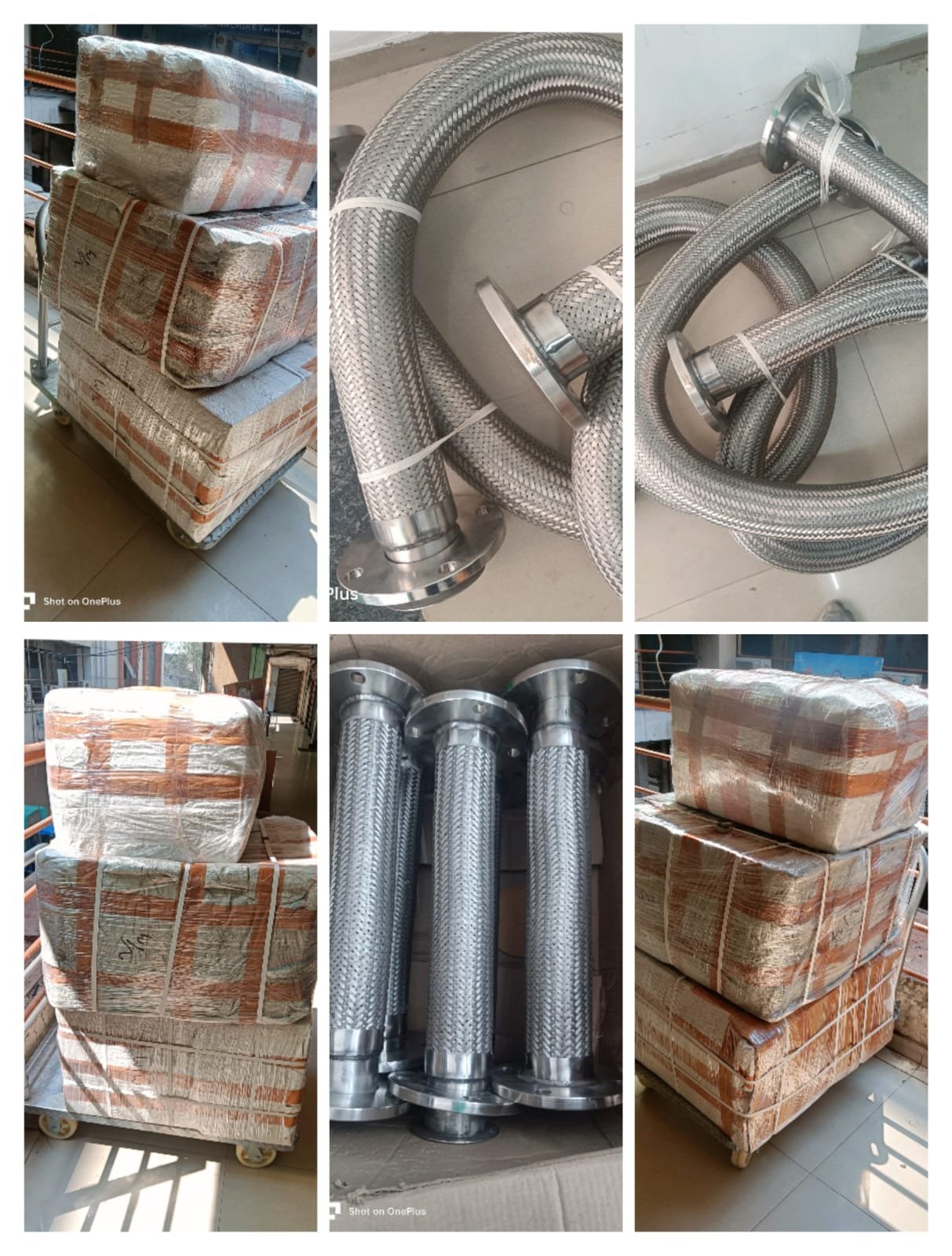
Selecting the right stainless steel expansion bellows in India is an important consideration for industries that operate piping systems under changing temperatures, pressure conditions and mechanical movement. Choosing a suitable expansion bellows assembly can help accommodate specified piping movement, reduce stress on connected equipment and support reliable piping system operation.
For procurement managers, maintenance engineers, plant operators and industrial buyers, the selection process involves more than choosing a material or size. Factors such as operating pressure, temperature, process media, movement requirements, connection type and installation conditions must be evaluated before purchasing.
Aadarsh Hydropneumatics, based in Ahmedabad, Gujarat, supplies hydraulic, pneumatic and industrial components to customers across India. This guide explains the key considerations for selecting stainless steel expansion bellows for industrial piping applications.
What Are Stainless Steel Expansion Bellows?
Stainless steel expansion bellows are flexible components designed to accommodate specified movement in piping systems. Depending on their construction and design, they may accommodate axial, lateral or angular movement caused by thermal expansion, equipment vibration or other operating conditions.
When a pipeline experiences temperature changes, its connected sections can expand or contract. If this movement is not adequately accommodated, additional stress may affect pipework, supports, joints and connected equipment.
A correctly selected stainless steel expansion bellows assembly can help manage the movement for which it has been designed. However, the component must be suitable for the actual operating conditions and installed according to the manufacturer’s instructions.
Industrial buyers should distinguish between corrugated flexible metal hoses and engineered piping expansion joints. Although both may use corrugated stainless steel construction, their intended movement, pressure ratings and applications can differ. The correct product depends on the requirements of the installation.
1. Understand Thermal Expansion and Piping Movement
Thermal expansion is a key consideration in industrial piping systems carrying hot fluids, steam or other process media. Temperature changes can cause connected pipes to expand or contract, potentially placing additional loads on the piping system.
Stainless steel expansion bellows may help accommodate specified thermal movement when appropriately designed for the application.
Before choosing an expansion bellows, evaluate:
- Movement direction: Determine whether the system requires axial, lateral or angular movement accommodation.
- Movement range: Calculate the expected displacement using the piping layout and operating temperature conditions.
- Equipment vibration: Identify vibration from pumps, compressors and other connected machinery where relevant.
- Piping arrangement: Consider anchors, guides, supports and the movement expected at the installation point.
- Operating cycle: Account for repeated heating, cooling and other operating changes.
For example, a process plant carrying heated fluids may need to accommodate pipe movement as operating temperatures change. Selecting a bellows assembly without assessing the required movement and piping arrangement may result in excessive stress or premature component failure.
B2B buying tip: Share the piping layout, expected movement and operating conditions with the supplier before finalising the product specification.
2. SS304 vs SS316: Which Material Should You Choose?
Material selection influences corrosion resistance, compatibility and the suitability of an expansion bellow assembly for its working environment. SS304 and SS316 stainless steel are common material options, but neither should be selected without considering the process conditions.
| Selection factor | SS304 stainless steel | SS316 stainless steel |
| General characteristics | Good corrosion resistance in many environments | Improved resistance to many chloride-containing environments |
| Typical consideration | General industrial applications where the environment is compatible | Applications requiring additional corrosion resistance, subject to chemical compatibility |
| Chemical exposure | Suitability depends on the specific medium and concentration | May be preferable for certain more aggressive environments |
| Cost consideration | May be more economical in some applications | May have a higher material cost |
| Final selection | Verify the application and product specifications | Verify chloride concentration, temperature and other operating conditions |
SS316 contains molybdenum, which generally improves its resistance to pitting and crevice corrosion in chloride-containing environments compared with SS304. However, SS316 is not immune to corrosion, and neither grade is suitable for every chemical or operating condition.
For industries handling chemicals, process fluids or coastal environmental exposure, evaluate the actual medium, concentration, temperature and potential corrosion mechanisms before selecting a grade.
Buyers should also confirm whether the specified material applies to all relevant wetted and pressure-containing components, rather than assuming that the entire assembly uses the same stainless steel grade.
3. Check Operating Pressure and Temperature Requirements
Operating pressure and temperature are essential when choosing stainless steel expansion joints in India. A bellows assembly must be suitable for the conditions it will experience throughout normal operation and foreseeable operating variations.
Consider the following before requesting a quotation:
- Normal operating pressure and temperature.
- Maximum and minimum operating temperatures.
- Potential pressure surges or transient conditions.
- The required movement under operating conditions.
- The effect of temperature and movement on the assembly’s allowable pressure.
- The compatibility of the selected material with the process medium.
Pressure and temperature ratings should never be assumed from the stainless steel grade alone. They depend on factors such as bellows geometry, material thickness, diameter, number of convolutions, reinforcement or braid where applicable, end connections and the manufacturer’s design limits.
For example, an oil and gas facility may experience changing operating conditions during equipment start-up and shutdown. The selected assembly should be assessed against the relevant operating envelope rather than only the normal running pressure.
Always request the applicable technical data and verify that the proposed product meets the actual system requirements.
4. Evaluate Process Media and Chemical Compatibility
The fluid or gas passing through a piping system can significantly affect the suitability of an expansion bellow. A material that performs well in one application may not be appropriate for another.
Before selecting an industrial expansion bellow, identify:
- The process medium and its chemical composition.
- Concentration and possible contaminants.
- Operating and cleaning temperatures.
- Whether the medium is corrosive, abrasive or otherwise challenging.
- Any hygiene, cleanliness or contamination-control requirements.
- The compatibility of seals, gaskets and other connected components, where applicable.
Chemical processing, pharmaceutical production, food processing and oil and gas operations can have different material and cleanliness requirements. Product suitability should be assessed for the specific process rather than inferred from the industry name alone.
Where compatibility is uncertain, obtain technical guidance from the product supplier or a qualified materials specialist before ordering.
5. Confirm Dimensions, Connections and Installation Requirements
Correct sizing and connection selection help ensure that an expansion bellow fits the intended piping arrangement and operates within its design limits.
Industrial buyers should confirm the following details before placing an order:
| Specification | Information to provide |
| Nominal pipe size | Required diameter or nominal bore |
| Overall length | Required installed length or face-to-face dimension, as applicable |
| Material | Required stainless steel grade and any documented material requirements |
| Operating conditions | Pressure, temperature and process medium |
| Movement | Expected axial, lateral or angular movement, as applicable |
| End connections | Flanged, threaded, welded or other specified connection type |
| Installation details | Piping layout, supports, anchors and relevant equipment connections |
| Quantity | Number of assemblies required |
| Documentation | Required technical drawings, test documents or material documentation, where applicable |
Connection type should match the existing piping system and the intended application. Flanged, welded and threaded connections are not interchangeable in every installation; suitability depends on the design and operating conditions.
Installation is equally important. Excessive misalignment, twisting, unsupported loads or movement beyond the assembly’s design limits can affect performance. Follow the manufacturer’s installation instructions and ensure that the piping system’s supports, guides and anchors are appropriate.
6. Common Mistakes to Avoid When Buying Expansion Bellows
Several avoidable mistakes can create procurement issues, installation challenges or premature component failure.
Choosing by price alone: A lower purchase price does not establish suitability. Compare the proposed material, construction, pressure and temperature ratings, movement capacity and documentation.
Selecting the wrong material: SS304 and SS316 have different corrosion-resistance characteristics. Select the grade according to the actual process environment.
Ignoring movement requirements: A component designed for one type or range of movement may not be suitable for another. Confirm the required movement before ordering.
Assuming pressure ratings are universal: Two stainless steel assemblies can have different allowable operating limits despite using the same nominal material grade.
Providing incomplete specifications: Missing dimensions, connection details or operating conditions can delay product selection and quotation.
Overlooking installation and inspection: Incorrect installation or operation outside the design limits can compromise the assembly. Inspection frequency should be determined by the application, operating conditions, manufacturer guidance and applicable maintenance procedures rather than a universal fixed interval.
7. Aadarsh Hydropneumatics: An Industrial Component Supplier in Ahmedabad, India
For industrial buyers sourcing stainless steel expansion bellows in India, choosing a supplier that understands component specifications and application requirements can help streamline the procurement process.
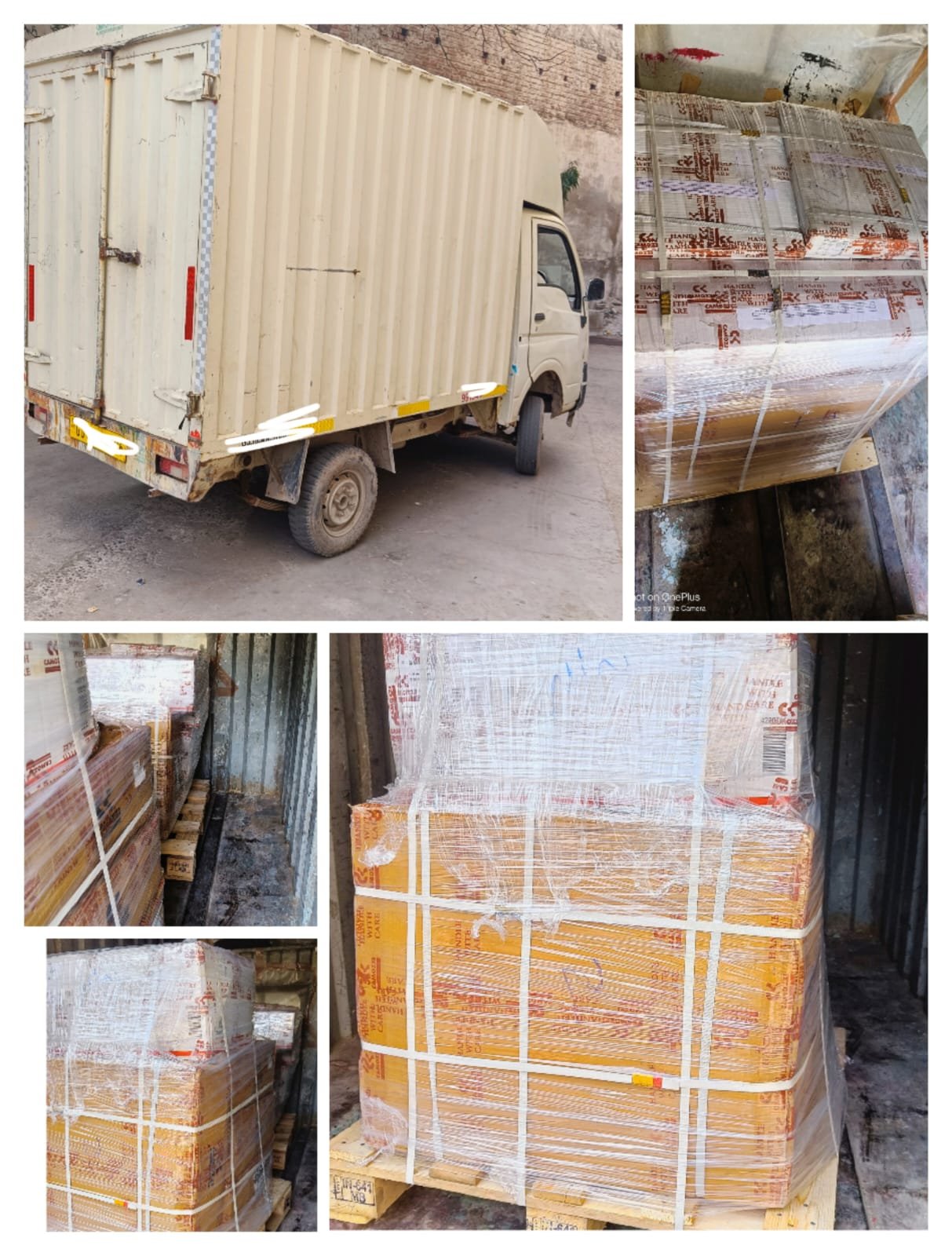
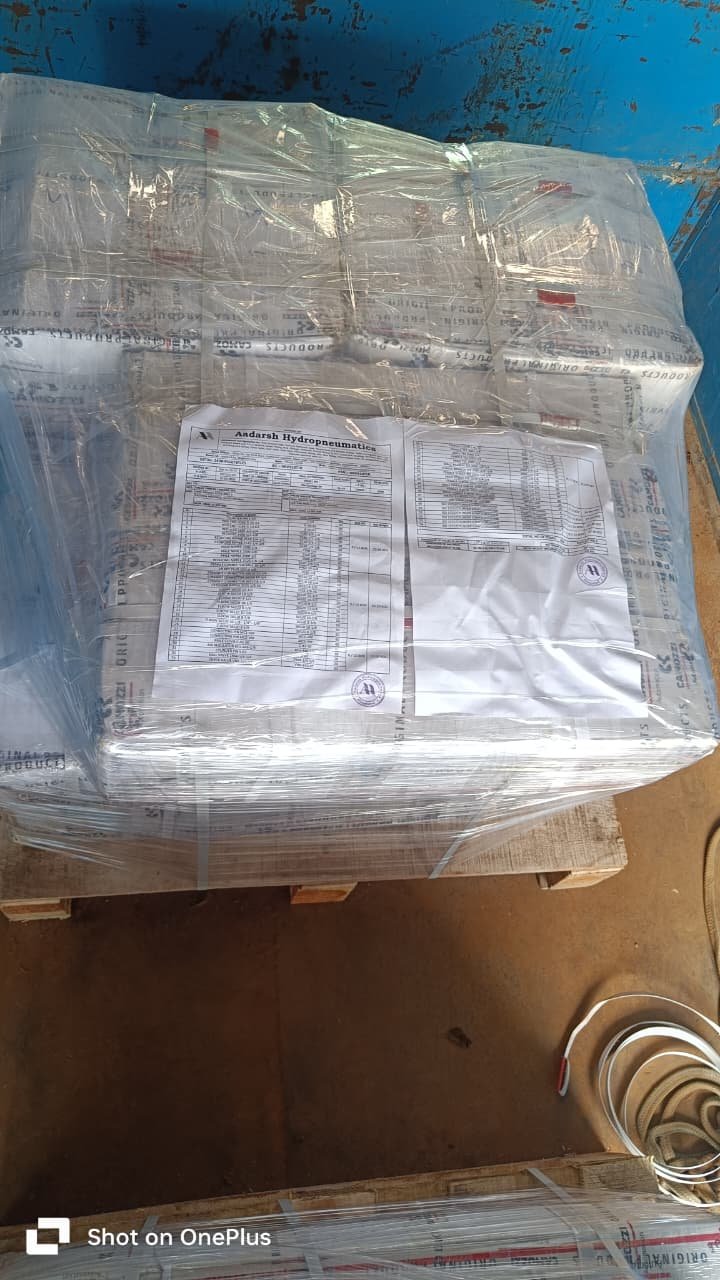
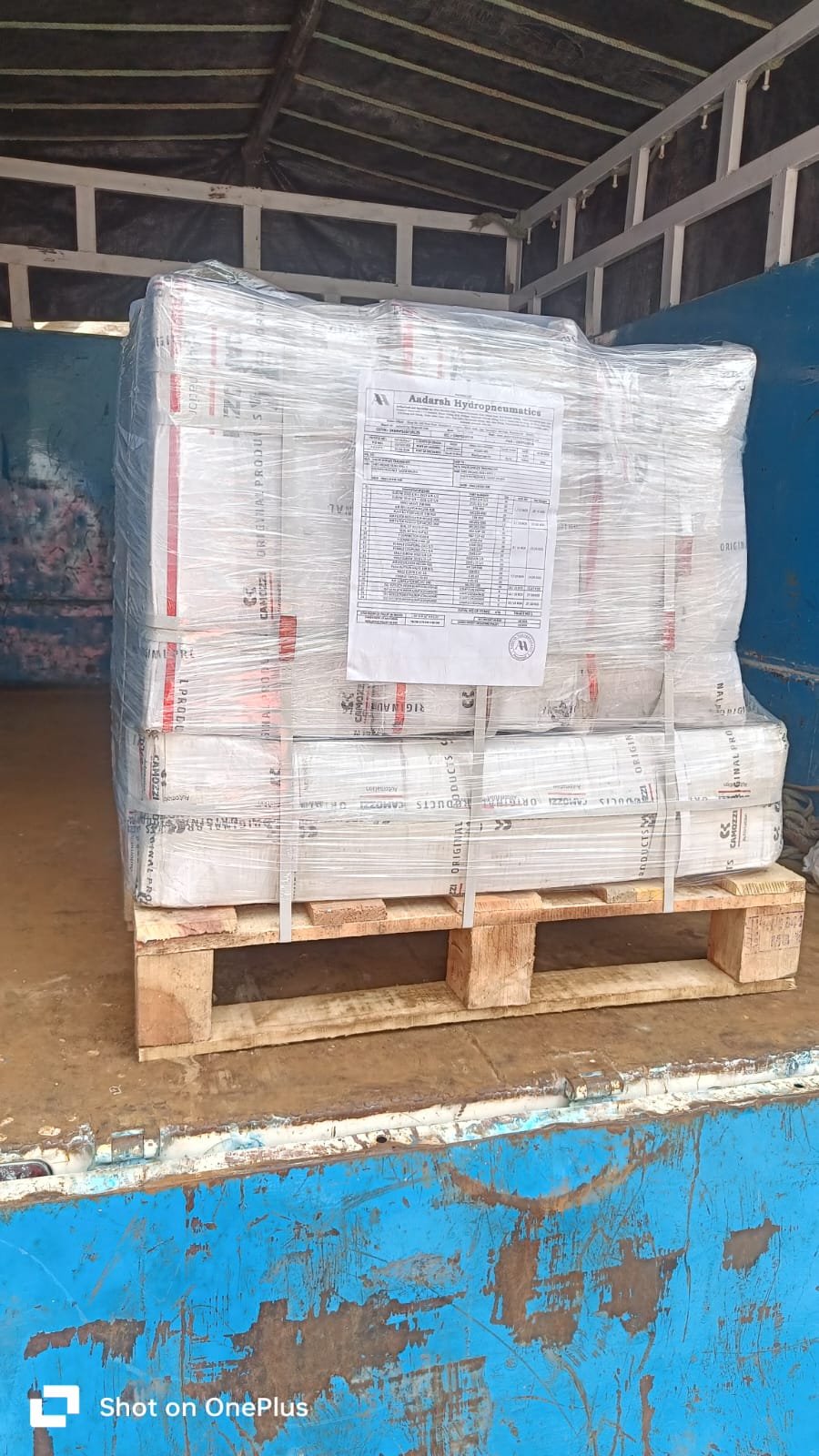
Aadarsh Hydropneumatics is an Ahmedabad-based supplier of hydraulic, pneumatic and industrial components, supporting customers across Gujarat and other parts of India. The company also supports bulk requirements for customers in international markets, including Kenya, Nigeria and other African countries.
In addition to stainless steel expansion bellows, buyers can inquire about hydraulic fittings, pneumatic components, hydraulic hoses and other related industrial products. The suitability and availability of each component should be confirmed against the required specifications.
When contacting Aadarsh Hydropneumatics, buyers should share the intended application, operating pressure, temperature, process medium, material preference, dimensions, end connections and required quantity. Drawings or photographs of the existing installation can also help clarify the requirement.
For product details, visit the stainless steel expansion bellow hose product page.
Request a Quote for Stainless Steel Expansion Bellows
Choosing the right stainless steel expansion bellows in India starts with a clear understanding of your piping system, process conditions and movement requirements. Evaluating material compatibility, pressure and temperature limits, dimensions and connections can help industrial buyers make a more informed purchasing decision.
Aadarsh Hydropneumatics supports industrial component enquiries from Ahmedabad across India and for bulk requirements in selected international markets.
Contact Aadarsh Hydropneumatics to discuss your stainless steel expansion bellow requirements. Share your application details, technical specifications, required quantity and delivery destination to request product information and a quotation.