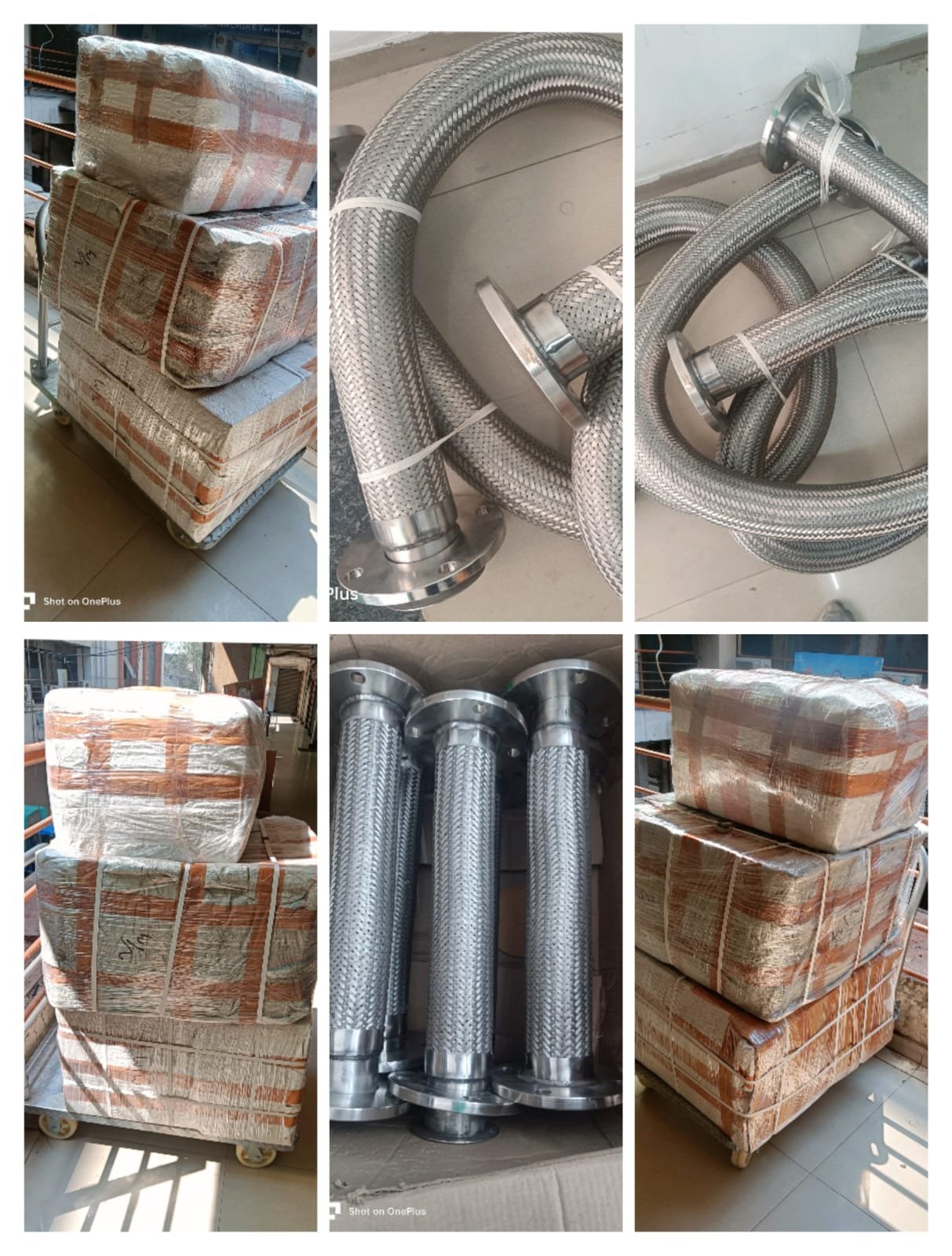
Industrial piping and HVAC systems are exposed to temperature variations, pressure changes, vibration and mechanical movement. Without proper movement compensation, these conditions can create stress on pipelines, joints and connected equipment, potentially resulting in leakage and maintenance issues.
Stainless Steel Expansion Bellows in Kenya are used in industrial piping and HVAC systems to accommodate controlled thermal expansion, contraction and mechanical movement. Their corrugated metallic construction provides flexibility while helping reduce excessive stress on connected piping and equipment.
For industrial buyers, HVAC contractors, engineering companies and procurement professionals in Kenya, selecting the right expansion bellow requires careful consideration of material grade, movement capacity, operating pressure, temperature and installation requirements.
This guide explains the types, applications and important selection factors for stainless steel expansion bellows used in industrial piping and HVAC installations.
What Are Stainless Steel Expansion Bellows?
Stainless steel expansion bellows are flexible components installed in piping systems to accommodate movement and reduce the transfer of excessive mechanical stress to connected equipment and pipework.
They generally consist of a thin-walled metallic section formed into a series of corrugations, also known as convolutions. These corrugations allow the component to flex when the connected piping system experiences movement.
Stainless steel is commonly selected because of its corrosion resistance, mechanical properties and suitability for a range of industrial operating environments.
Depending on their design, expansion bellows can accommodate different types of movement, including:
- Axial movement: Expansion or compression along the pipe centerline.
- Lateral movement: Sideways displacement between connected pipe sections.
- Angular movement: Rotation or bending between connected piping sections.
- Vibration: Controlled flexibility can help reduce the transmission of certain vibrations through a piping connection.
The movement capacity depends on the bellows design, dimensions, material, pressure, temperature and installation arrangement. Therefore, the component should always be selected according to the actual piping system requirements.
How Expansion Bellows Work in Industrial Piping and HVAC Systems
Industrial pipes expand and contract when their temperatures change. For example, a pipeline carrying hot water, steam or heated process fluid may increase in length during operation and contract as it cools.
If the piping system cannot accommodate this movement, additional loads may develop at pipe joints, anchors, supports, valves and connected equipment.
A stainless steel expansion bellow provides a flexible section within the piping arrangement. Its corrugations deform within their designed movement limits, allowing the system to accommodate specified displacement.
In HVAC systems, expansion bellows may be used in chilled water, hot water and other suitable piping connections where thermal movement or equipment vibration needs to be accommodated.
In industrial installations, they may be considered for pipelines exposed to changing process temperatures, equipment movement and operating vibration.
However, expansion bellows do not eliminate the need for correct piping design. Proper anchors, guides, supports and installation arrangements are essential for controlling movement and ensuring the bellows operates within its design limits.
Types of Stainless Steel Expansion Bellows
Different expansion bellow configurations are designed to accommodate different piping movements. Understanding these types helps buyers identify a suitable solution for their installation.
-
Single Expansion Bellows
A single expansion bellow generally consists of one flexible bellows element designed to accommodate axial movement. Depending on its design and installation arrangement, it may also accommodate limited lateral or angular movement.
It is commonly considered for piping sections where the required movement can be handled by a single element and the piping system is properly supported.
-
Universal Expansion Bellows
A universal expansion bellow generally uses two bellows elements connected by an intermediate pipe section. This arrangement allows it to accommodate larger lateral movements than a comparable single-bellows configuration.
It may be suitable for piping systems where sideways displacement needs to be accommodated within the available installation space.
-
Hinged Expansion Bellows
Hinged expansion bellows are designed to accommodate angular movement around a defined hinge arrangement. The hinge mechanism helps control movement and can restrain certain pressure-related forces.
They are used in piping layouts where angular rotation is expected and the system design requires controlled movement.
-
Gimbal Expansion Bellows
Gimbal expansion bellows use a specialised arrangement that allows angular movement in multiple planes while restraining certain forces and controlling the movement of the piping system.
Their suitability depends on the piping layout, movement requirements and structural design.
The correct type should be selected by evaluating the direction and amount of movement, pressure, temperature, piping geometry and restraint requirements. These designs are not interchangeable, and not every configuration is suitable for every industrial application.
Stainless Steel Grades: SS 304 vs SS 316
Material selection is an important consideration when sourcing stainless steel expansion bellows. SS 304 and SS 316 are commonly considered grades, but their corrosion resistance differs.
SS 304 Stainless Steel
SS 304 typically contains approximately 18% chromium and 8% nickel. It offers good general corrosion resistance and is used in many industrial environments where exposure to aggressive chemicals and high chloride concentrations is limited.
It may be considered for general piping, HVAC connections and suitable manufacturing applications.
SS 316 Stainless Steel
SS 316 typically contains chromium, nickel and approximately 2–3% molybdenum. The molybdenum content improves resistance to pitting and crevice corrosion in many chloride-containing environments.
It may be considered for applications involving more demanding corrosive conditions, depending on the chemical composition, concentration and operating temperature.
| Selection Factor | SS 304 | SS 316 |
| Main alloy elements | Chromium and nickel | Chromium, nickel and molybdenum |
| General corrosion resistance | Good | Generally higher in many corrosive environments |
| Chloride resistance | More susceptible to pitting | Improved pitting resistance |
| Typical applications | General industrial and HVAC environments | Selected chemical and chloride-exposed environments |
| Relative material cost | Usually lower | Usually higher |
SS 316 is not automatically suitable for every chemical application. The exact fluid, concentration, temperature and exposure conditions must be checked before finalising the material grade. Actual composition should also be verified against the applicable material specification.
Industrial Piping and HVAC Applications in Kenya
Kenya has industrial, commercial and infrastructure projects that require reliable piping and HVAC components. Stainless steel expansion bellows can be considered in different applications where controlled movement accommodation is required.
-
Commercial and Industrial HVAC Systems
HVAC installations use chilled water, hot water and other piping arrangements to support heating, ventilation and air-conditioning equipment.
Thermal expansion, equipment vibration and movement can place stress on connected pipework. Expansion bellows may be incorporated into suitable HVAC piping designs to accommodate specified movement and help protect connected components.
-
Manufacturing Facilities
Manufacturing plants often operate equipment that generates heat, vibration and repeated operating loads. Their piping systems may carry water, heated fluids, compressed air or process media.
Stainless steel expansion bellows can be considered where the piping design requires flexibility to accommodate thermal movement or equipment-related vibration.
-
Power Generation Facilities
Power generation installations may include pipelines exposed to elevated operating temperatures and pressure variations.
As process temperatures change, connected piping sections can expand or contract. Properly engineered expansion bellows can accommodate specified movement and help manage the loads transferred through the piping system.
The design must account for operating pressure, temperature, movement cycles, piping supports and the applicable engineering requirements.
-
Chemical Processing Plants
Chemical processing facilities may handle different industrial fluids, including corrosive substances. Material compatibility is therefore a major consideration when selecting stainless steel expansion bellows.
SS 316 may be considered in certain chloride-containing or more corrosive environments, while the final material selection must be based on the actual chemical and operating conditions.
-
Water Treatment and Utility Pipelines
Water treatment plants and utility installations may contain pipelines that experience temperature changes, equipment vibration and mechanical movement.
Suitable expansion bellows can be incorporated into these systems when the piping design requires movement accommodation. The material grade should be selected according to water chemistry, treatment chemicals and service conditions.
Important Factors Before Selecting Stainless Steel Expansion Bellows
Choosing the right industrial expansion bellows requires more than checking its material grade or pipe diameter. Buyers should evaluate the complete operating requirements before requesting a quotation.
Operating Pressure: Confirm the normal working pressure, pressure variations and any potential pressure surges. The bellows assembly must be suitable for the required pressure conditions.
Operating Temperature: Identify the minimum, normal and maximum operating temperatures. Temperature affects material properties, movement requirements and the suitability of the complete assembly.
Movement Requirements: Determine whether the piping system experiences axial, lateral or angular movement. The required movement amount and direction are important for selecting the correct bellows configuration.
Pipe Diameter and Dimensions: Confirm the nominal pipe size, connection dimensions, face-to-face length and available installation space.
Material Compatibility: Check whether SS 304, SS 316 or another suitable material is compatible with the process fluid and surrounding environment.
Pressure Thrust and Piping Restraints: Internal pressure can generate forces that act on expansion bellows and the connected piping. Anchors, guides and restraint arrangements must be designed to manage these forces.
End Connections: Confirm whether the installation requires flanged, welded or other connection arrangements. Connection dimensions and material compatibility should be checked before ordering.
Movement Cycles and Service Conditions: Consider how frequently the system expands, contracts or experiences vibration. Repeated movement can influence fatigue life and the required design.
Providing accurate technical details helps suppliers understand the application and identify a suitable product specification.
Installation and Maintenance Considerations
Correct installation is essential for the performance of stainless steel expansion bellows. Even a suitably selected product can experience problems if installed incorrectly or operated outside its design limits.
Before installation, check the following:
- Confirm that the expansion bellow matches the approved piping design and required movement direction.
- Ensure the connected pipes are properly aligned.
- Verify that anchors, guides and supports are installed as specified in the piping design.
- Avoid twisting, excessive bending or stretching the bellows during installation.
- Remove shipping restraints only at the stage specified in the installation instructions.
- Check that welding, handling and installation procedures do not damage the corrugated section.
Regular inspection should focus on visible deformation, corrosion, leakage, damaged connections and signs of excessive movement. Inspection frequency should be based on the operating environment and applicable maintenance requirements.
Expansion bellows should not be treated as a substitute for proper pipe supports or incorrectly designed piping arrangements.
Common Mistakes to Avoid When Buying Expansion Bellows
Selecting Only by Price: Choosing the lowest-cost option without checking movement capacity, pressure rating and material compatibility can lead to unsuitable product selection.
Ignoring Movement Direction: A bellow designed for axial movement may not be suitable for a system requiring substantial lateral or angular movement.
Overlooking Pressure Thrust: Failure to account for pressure-related forces and piping restraints can affect the entire installation.
Assuming SS 316 Is Always Better: SS 316 offers improved resistance to certain corrosive conditions, but it is not necessary for every application. Material selection should be based on the actual process environment.
Ignoring Installation Requirements: Incorrect alignment, missing supports or excessive movement can negatively affect the performance and service life of an expansion bellow.
Stainless Steel Expansion Bellows Supply for Industrial Requirements in Kenya
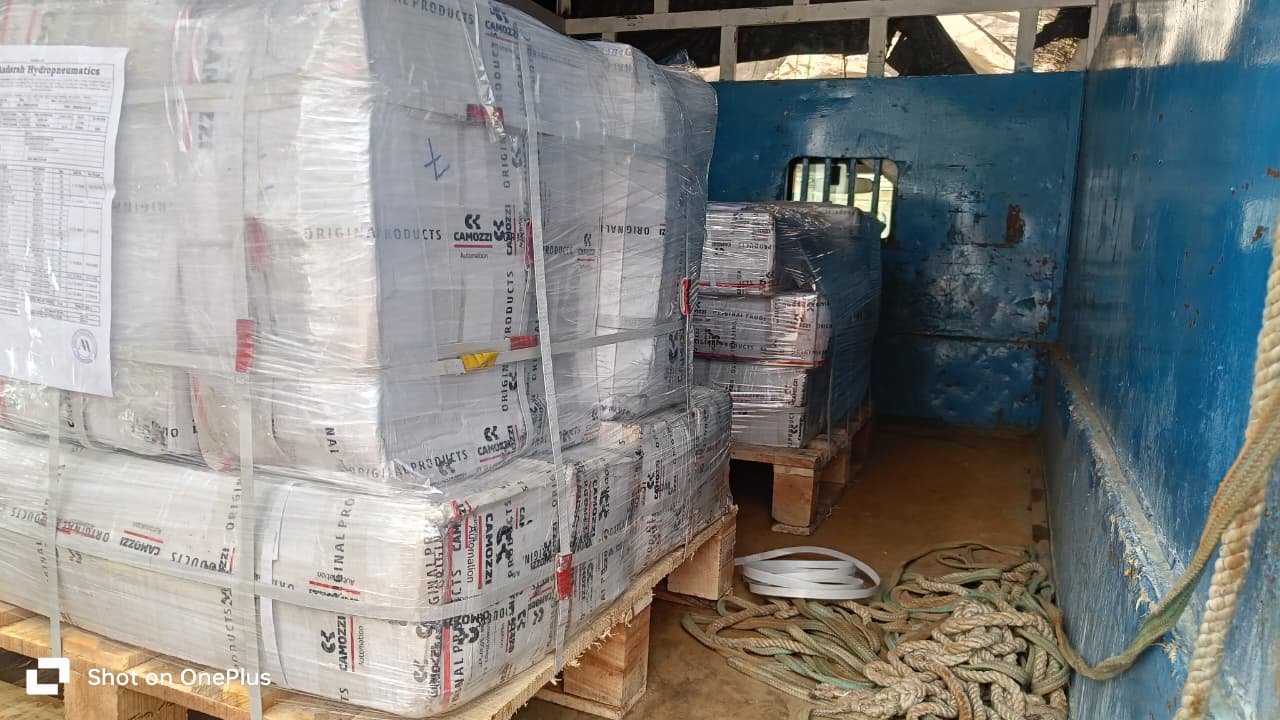
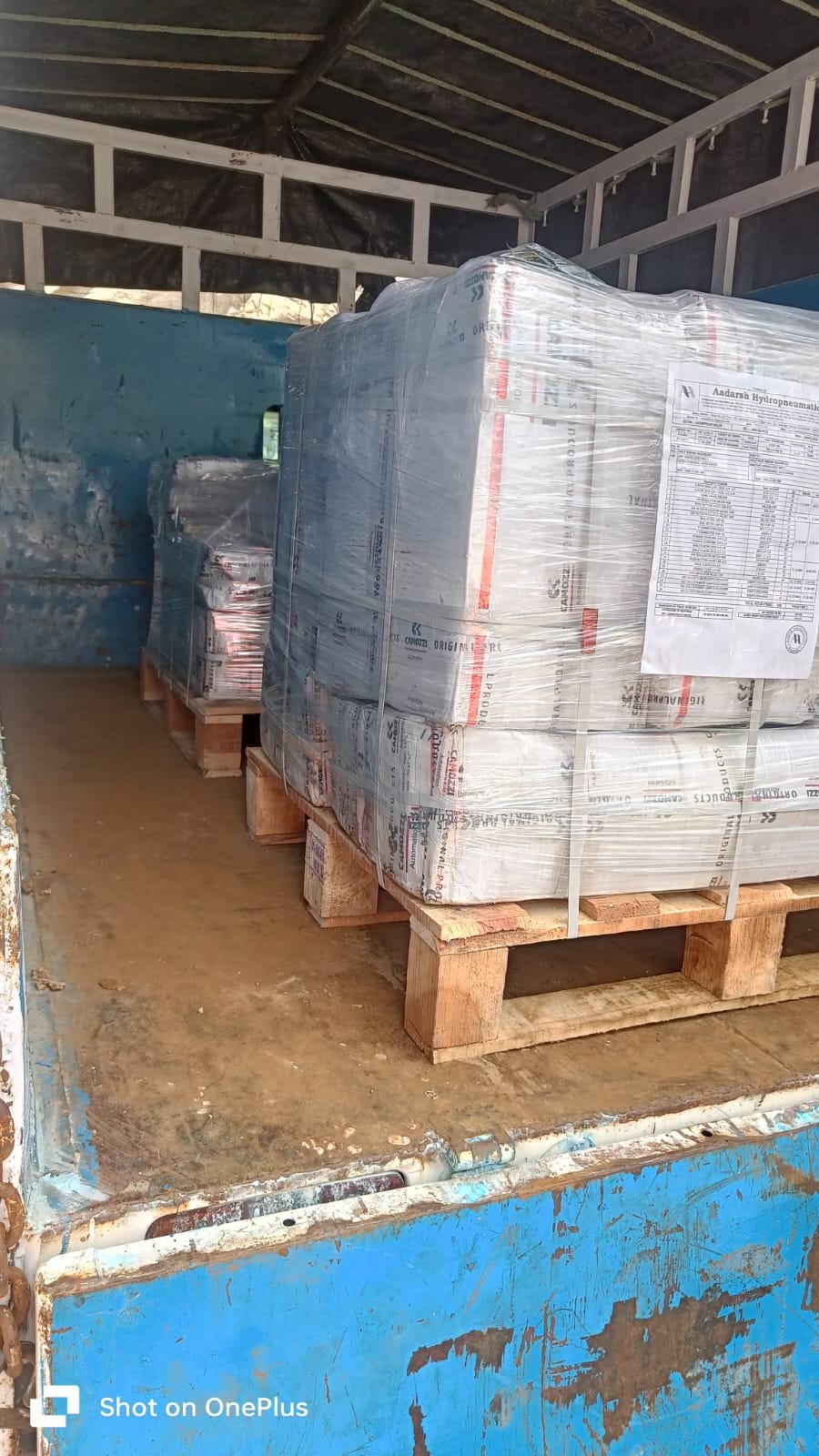
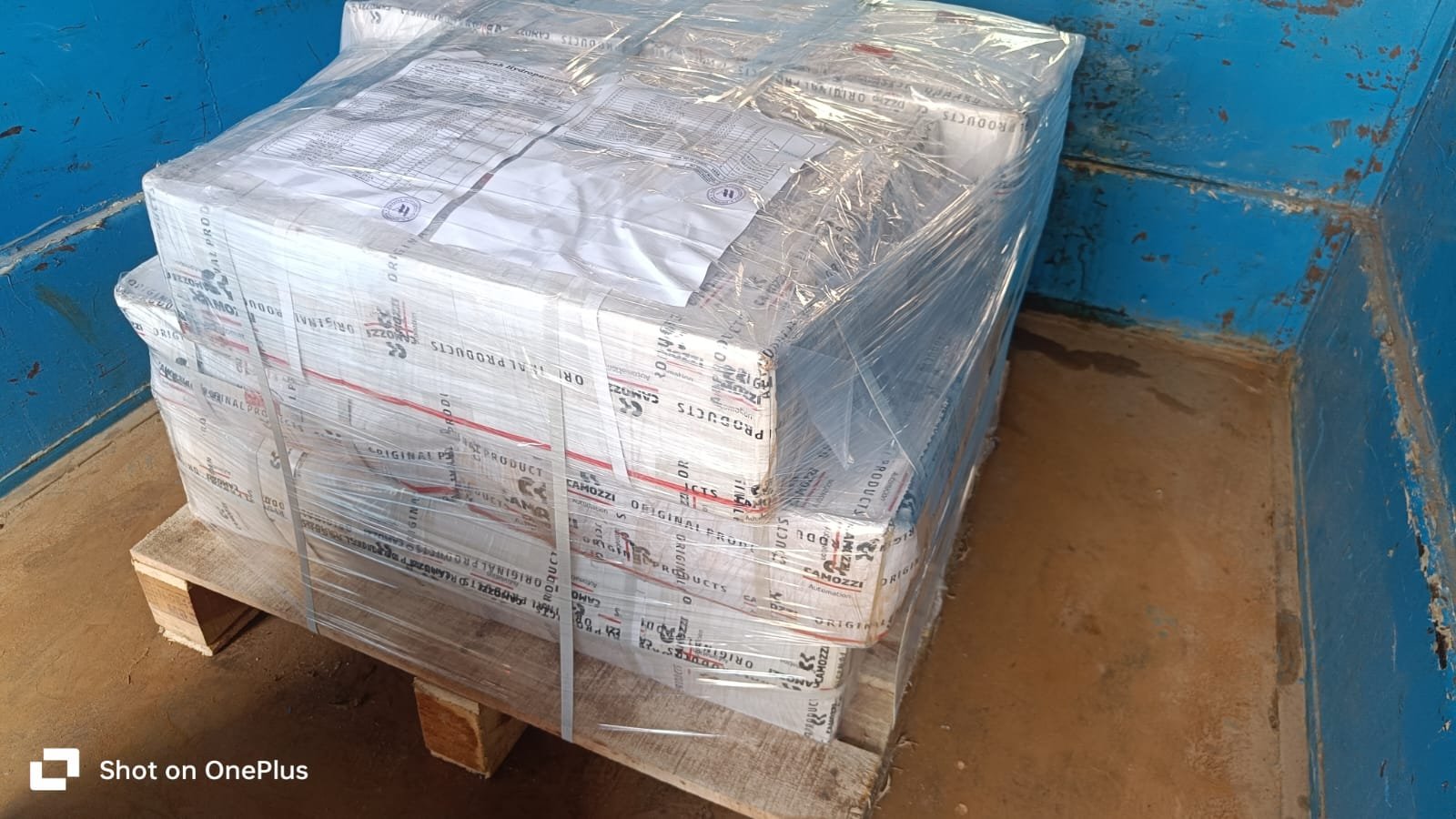
Aadarsh Hydropneumatics is an Ahmedabad-based supplier of hydraulic and pneumatic products, serving industrial customers across India and international markets.
We supply Stainless Steel Expansion Bellows for industrial piping, HVAC systems and other suitable applications. Product requirements can be discussed based on material grade, dimensions, movement capacity, operating pressure, temperature and end connections.
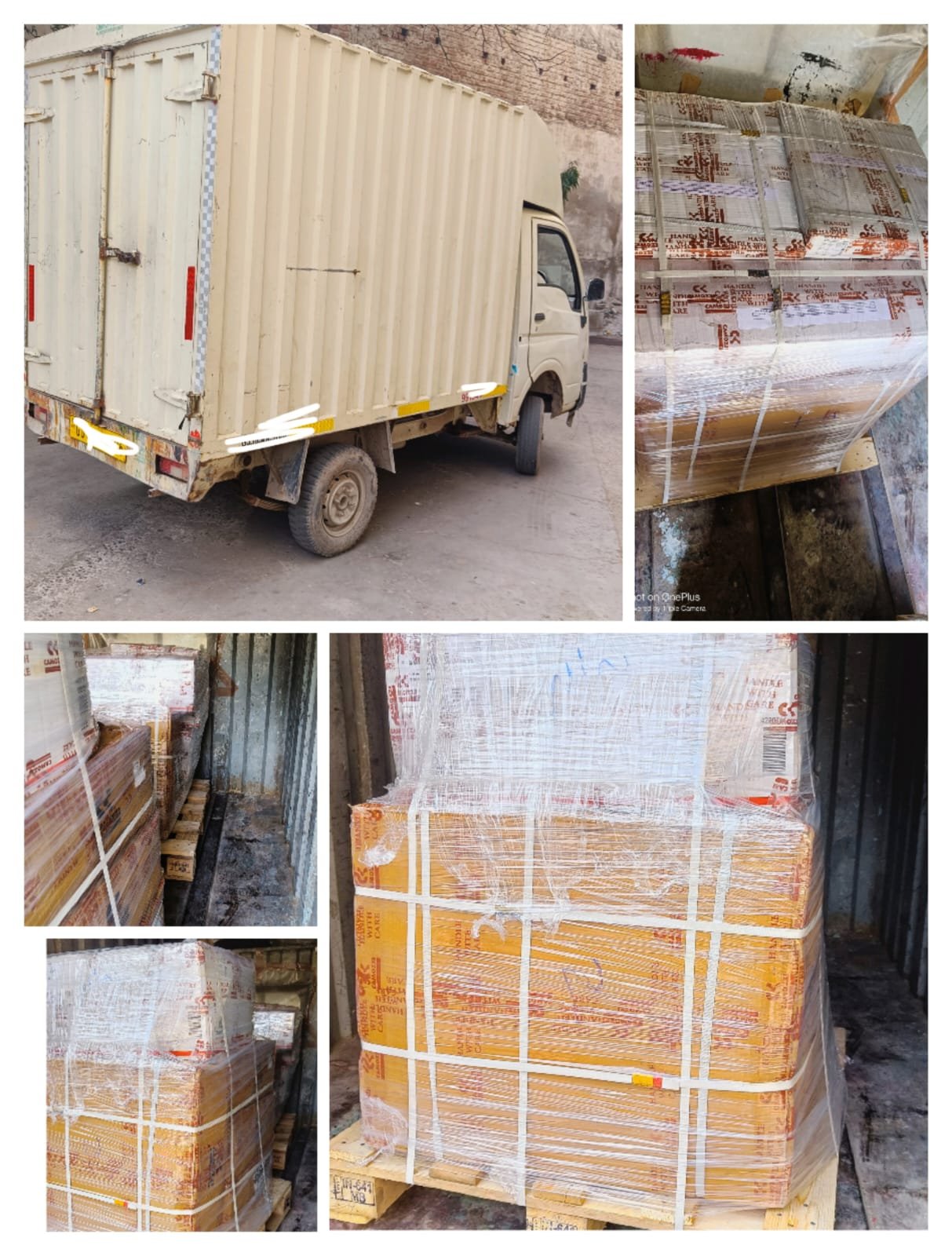
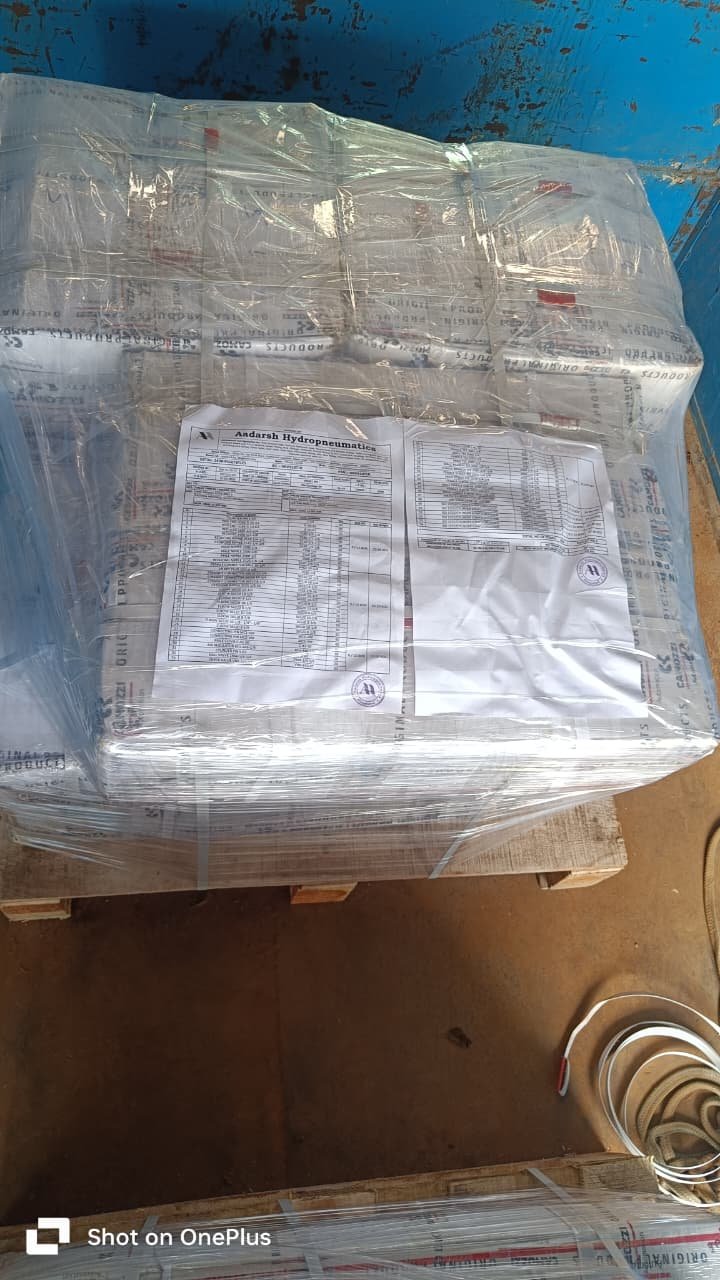
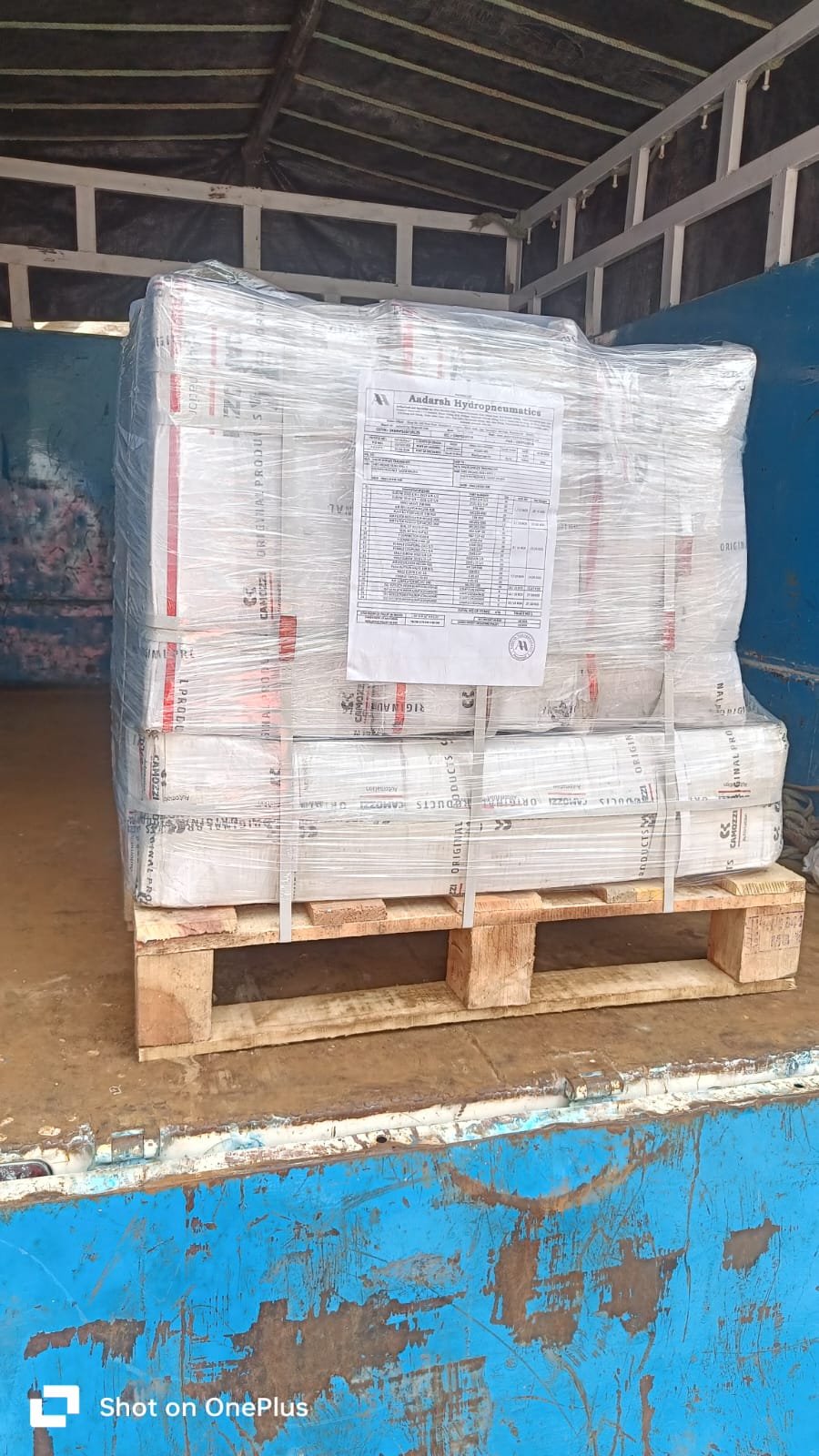
We support bulk enquiries from industrial buyers, contractors and procurement companies in Kenya and other African markets looking for engineering products sourced from India.
Explore the Stainless Steel Expansion Bellow Hose product range from Aadarsh Hydropneumatics for more information.
For a more suitable product recommendation and quotation, buyers can share the following details:
- Required quantity
- SS 304 or SS 316 material preference
- Pipe diameter and connection type
- Operating pressure and temperature
- Required axial, lateral or angular movement
- Application and process fluid
- Project or delivery location in Kenya
Sharing these details helps the supplier understand the requirement and review the appropriate product specifications.
Contact Aadarsh Hydropneumatics to discuss your stainless steel expansion bellow requirements for industrial piping and HVAC applications in Kenya. Submit your specifications and bulk quantity requirements to request a quotation.