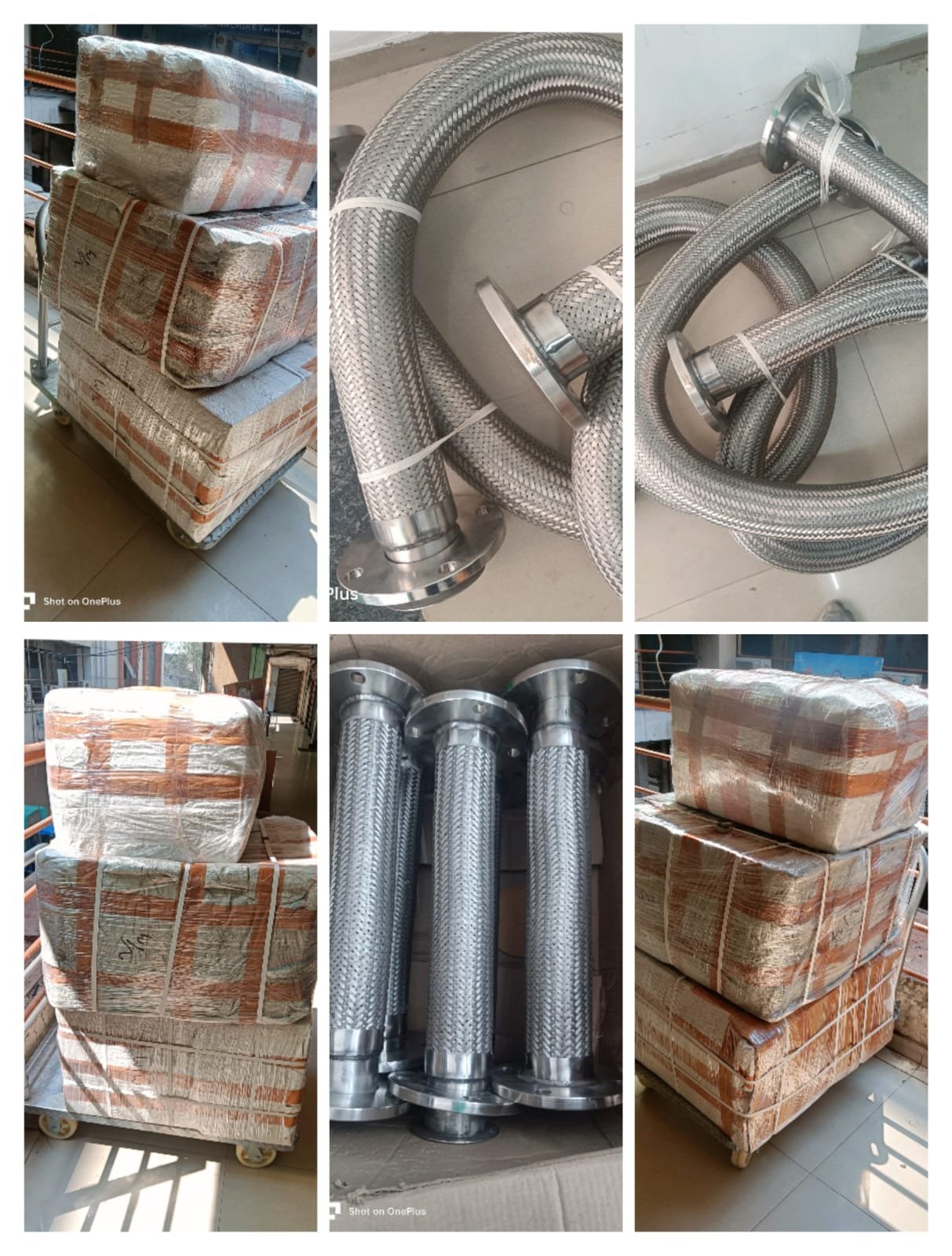
Selecting the right stainless steel flexible corrugated bellow hose is important for ensuring reliable fluid transfer, corrosion resistance and long-term performance in industrial applications. One of the most common decisions buyers face is choosing between SS 304 and SS 316 stainless steel.
Both grades offer excellent properties for industrial use, but their corrosion resistance, chemical composition and suitability for different operating environments vary. While SS 304 is widely used in general industrial applications, SS 316 offers improved resistance to chloride-related corrosion due to its molybdenum content.
For industrial buyers in India, understanding these differences can help in selecting the right flexible corrugated bellow hose based on application requirements, operating conditions and budget.
This guide explains the key differences between SS 304 and SS 316, their industrial applications and the important factors to consider before purchasing.
Understanding SS 304 and SS 316 Stainless Steel
SS 304 and SS 316 are austenitic stainless steel grades containing chromium and nickel. Their composition helps provide corrosion resistance, strength and suitability for various industrial environments.
SS 304 Flexible Corrugated Bellow Hose
SS 304 typically contains approximately 18% chromium and 8% nickel. It is widely used because it offers good general corrosion resistance, formability and versatility. It can be suitable for several industrial environments where exposure to aggressive chemicals and high chloride concentrations is limited.
Common applications include general manufacturing, food processing equipment, utility connections and industrial fluid transfer systems, subject to the required chemical and operating conditions.
SS 316 Flexible Corrugated Bellow Hose
SS 316 typically contains approximately 16–18% chromium, 10–14% nickel and 2–3% molybdenum. The addition of molybdenum improves its resistance to pitting and crevice corrosion, particularly in many chloride-containing environments.
For this reason, SS 316 is often considered for chemical processing, pharmaceutical facilities, coastal installations and other applications where greater corrosion resistance is required.
Actual chemical composition should always be checked against the applicable material standard and material test certificate.
SS 304 vs SS 316 Flexible Corrugated Hose: Key Differences
Understanding the differences between these grades helps industrial buyers select a material that suits their operating environment and budget.
| Comparison Factor | SS 304 | SS 316 |
| Main composition | Chromium and nickel | Chromium, nickel and molybdenum |
| Molybdenum content | No intentional addition in standard SS 304 | Typically 2–3% |
| General corrosion resistance | Good | Generally better in more corrosive environments |
| Chloride resistance | More susceptible to chloride-related pitting | Improved resistance to chloride-related pitting |
| Typical applications | General industrial and food processing applications | Chemical, pharmaceutical and chloride-exposed applications |
| Relative material cost | Usually lower | Usually higher |
| Material selection | Suitable for many general environments | Considered for more demanding corrosive conditions |
The main difference between SS 304 and SS 316 is their resistance to certain corrosive environments. SS 316 is often preferred where chloride exposure is a concern, but it is not automatically suitable for every chemical or operating condition.
Corrosion Resistance and Chloride Exposure
Corrosion resistance is one of the most important factors when selecting a stainless steel flexible corrugated bellow hose. The surrounding environment, fluid composition, chemical concentration and operating temperature can all influence material performance.
SS 304 performs well in many general industrial environments. However, prolonged exposure to chloride-containing water, salt deposits or certain aggressive process conditions can increase the risk of pitting and crevice corrosion.
SS 316 generally provides improved resistance to these forms of corrosion because it contains molybdenum. This makes it a common consideration for applications involving chloride exposure, coastal environments and certain chemical processing operations.
Example: Chemical Processing in Coastal Areas
A chemical processing facility located near the Indian coastline may experience exposure to humid air, salt deposits and chloride-containing substances. Depending on the process conditions, SS 316 may be a more appropriate option than SS 304.
However, the final selection should consider the exact chemical, its concentration, operating temperature, cleaning process and exposure duration. Neither grade should be assumed to be compatible with every chemical.
Industrial Applications of SS 304 and SS 316 Corrugated Hoses
The choice between SS 304 and SS 316 depends on the operating requirements of the industry and the material’s contact with the process environment.
- Food and Dairy Processing
SS 304 is commonly considered for general food processing equipment and utility connections where the operating environment is compatible with the grade. It offers useful corrosion resistance and is widely used in food-related equipment.
In dairy processing, however, the selection should account for the product being transferred, cleaning-in-place chemicals, temperature and chloride exposure. SS 316 may be considered where more demanding cleaning or corrosive conditions are present.
- Chemical Processing Industry
Chemical plants may handle acids, alkalis, solvents, process water and other industrial fluids. The correct hose material depends on the exact chemical and its operating conditions.
SS 316 may offer an advantage in selected chloride-containing or corrosive environments. However, compatibility must be checked for each chemical rather than assuming that SS 316 is resistant to all acids and chemicals.
- Pharmaceutical Industry
Pharmaceutical manufacturing facilities require careful material selection for process equipment, fluid transfer and utility connections. SS 316 is often considered for applications requiring enhanced corrosion resistance.
The final choice should also account for hygiene requirements, cleaning procedures, process specifications and applicable material standards. A stainless steel grade alone does not establish that a complete hose assembly meets pharmaceutical process requirements.
- Automotive and General Manufacturing
Automotive plants and manufacturing facilities use flexible connections in machinery, equipment and utility systems. SS 304 may be suitable for many general-purpose applications where corrosion exposure is moderate.
Where the installation involves more aggressive chemicals or chloride exposure, SS 316 may be worth evaluating. Hose construction and mechanical requirements remain equally important.
- Marine and Coastal Industrial Applications
Industrial installations near coastal locations can experience exposure to salt-laden air and chloride-containing moisture. SS 316 is often considered because of its improved resistance to chloride-related pitting compared with SS 304.
Actual suitability still depends on exposure conditions, installation design and maintenance practices.
How Hose Construction Affects Performance
Material grade is only one part of flexible corrugated hose selection. The construction of the hose assembly also plays a major role in its performance.
Corrugation Design: Corrugations provide flexibility and allow the hose to accommodate movement, vibration and installation requirements. The corrugation profile and dimensions influence flexibility and mechanical behaviour.
Stainless Steel Wire Braiding: A stainless steel wire braid is commonly used as reinforcement around a corrugated metal hose. It helps the assembly withstand pressure-related loads and reduces the risk of excessive expansion under pressure. The number of braid layers and construction must be selected according to the required service conditions.
Working Pressure and Temperature: Buyers should check the rated working pressure and temperature of the complete hose assembly. These ratings can vary according to hose diameter, wall thickness, corrugation, braid construction, fittings and operating conditions.
Bend Radius and Installation: Every flexible corrugated hose has a recommended minimum bend radius. Bending below the specified limit or twisting the hose during installation can damage the assembly and affect its service performance.
End Fittings and Connections: Flanges, threaded connections and other end fittings must match the equipment and pipeline requirements. Material compatibility, connection dimensions and pressure ratings should be verified before installation.
An important point is that choosing SS 316 instead of SS 304 does not automatically increase the pressure rating of a hose. The complete assembly design and specifications determine its suitability for the application.
Important Factors Before Buying a Flexible Corrugated Bellow Hose
Before ordering an SS 304 or SS 316 flexible corrugated bellow hose, industrial buyers should review the following details:
- Material grade: Confirm whether SS 304 or SS 316 is suitable for the fluid and surrounding environment.
- Hose diameter: Select the correct internal diameter according to flow requirements and connection dimensions.
- Working pressure: Check normal operating pressure, pressure fluctuations and possible surges.
- Temperature range: Verify the minimum and maximum operating temperatures for the complete assembly.
- Chemical compatibility: Check the exact fluid, concentration, temperature and exposure conditions.
- Braid construction: Determine whether braided reinforcement is required and confirm the appropriate assembly specification.
- Bend radius: Ensure the available installation space allows the hose to operate within its recommended bend radius.
- End connections: Confirm fitting type, size, material and connection compatibility.
Providing these details when requesting a quotation can help suppliers identify a more suitable product for the intended application.
Common Mistakes to Avoid During Material Selection
Choosing SS 316 for Every Application: SS 316 is not automatically the best option for all industrial environments. If SS 304 provides adequate corrosion resistance under the actual operating conditions, choosing SS 316 may increase the initial material cost without providing a meaningful benefit.
Ignoring Chemical Compatibility: General corrosion-resistance descriptions are not enough to determine whether a hose can handle a specific chemical. Always evaluate the chemical type, concentration, temperature and exposure conditions.
Focusing Only on Material Grade: A suitable stainless steel grade cannot compensate for an incorrectly selected hose diameter, pressure rating, braid construction or fitting.
Overlooking Installation Conditions: Excessive bending, twisting, vibration and incorrect support can affect hose performance. Installation should follow the supplier’s technical recommendations.
Not Checking Product Specifications: Before ordering, review the hose assembly details, material grade, dimensions, working pressure, temperature range and connection specifications.
SS 304 vs SS 316: Which One Should You Choose?
There is no single answer that applies to every industrial application. The better choice depends on the process environment, corrosion exposure, operating requirements and budget.
Choose SS 304 when the application involves general industrial service, moderate corrosion exposure and compatible operating conditions. It can provide a practical solution where the additional chloride resistance of SS 316 is not required.
Consider SS 316 when the application involves chloride exposure, certain corrosive environments or process conditions that require improved resistance to pitting and crevice corrosion.
For chemical processing, pharmaceutical and coastal applications, the exact process conditions should be reviewed before finalising the grade.
The most suitable flexible corrugated hose is the one that meets the application’s material compatibility, pressure, temperature, flexibility and connection requirements—not simply the one with the higher material grade.
Flexible Corrugated Bellow Hose Supply for Industrial Requirements in India
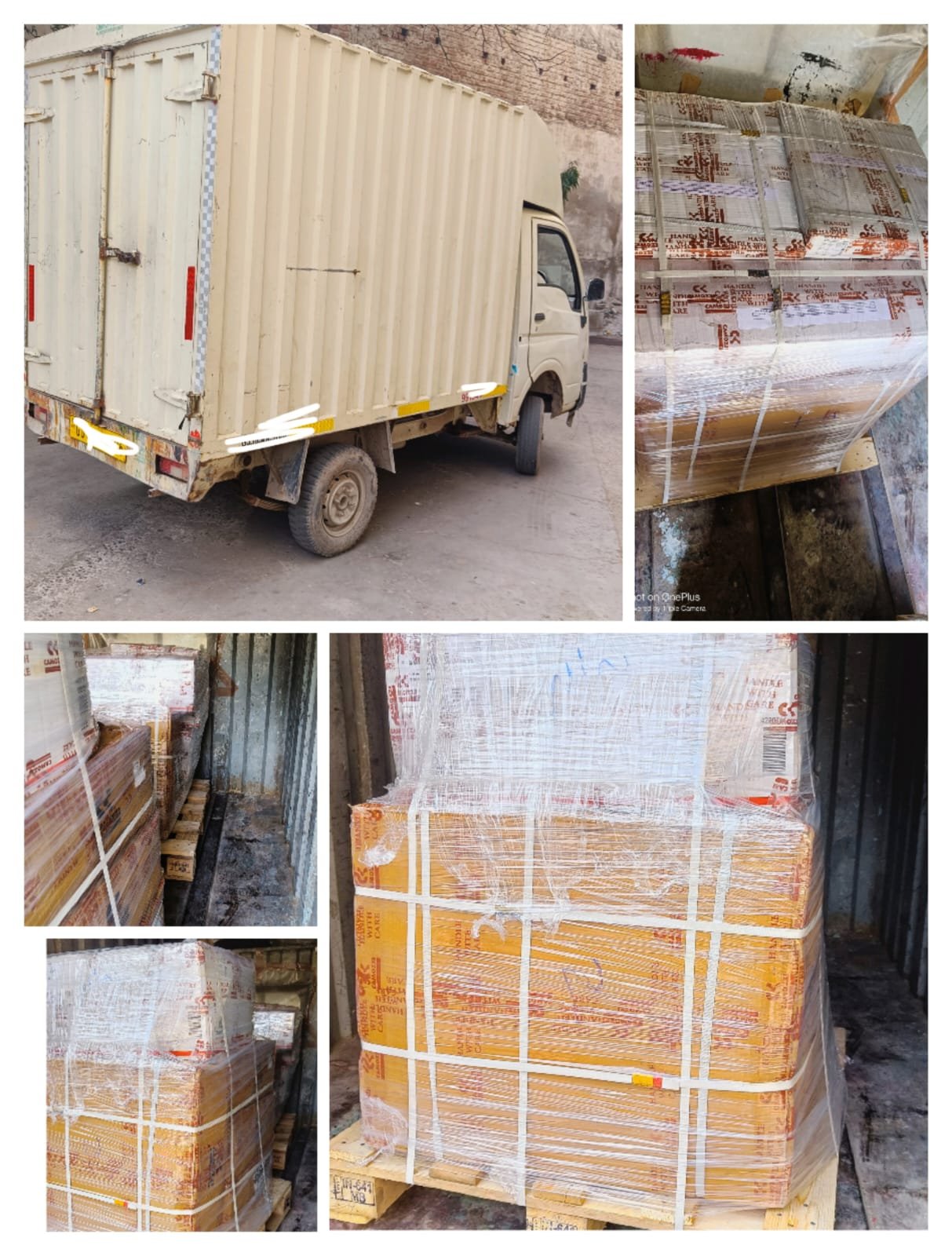
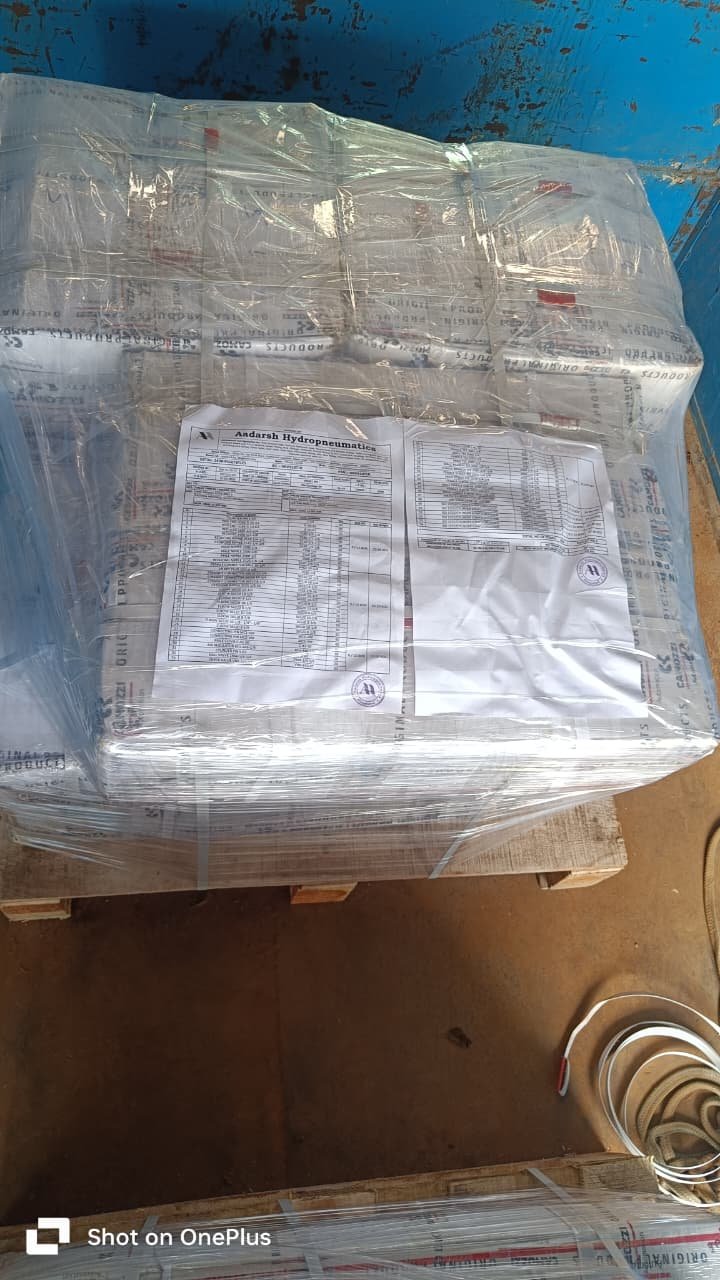
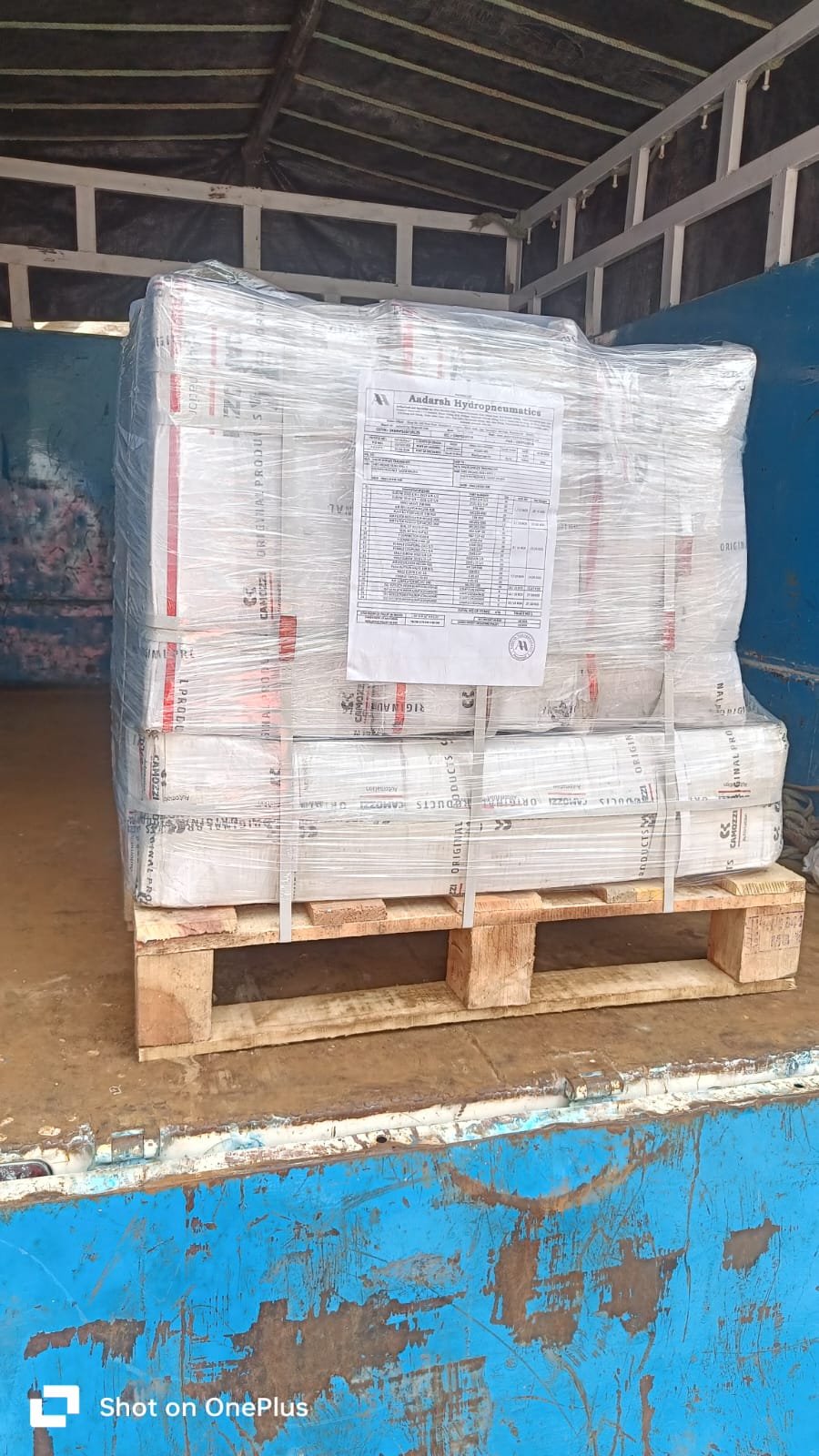
Aadarsh Hydropneumatics supplies hydraulic and pneumatic components for industrial requirements across Gujarat and India. Buyers looking for stainless steel flexible corrugated bellow hoses can explore the product range and discuss their application requirements before selecting a suitable specification.
For more information, visit the Stainless Steel Flexible Corrugated Bellow Hose product page.
For applications requiring a different type of movement or piping connection solution, buyers can also explore the Stainless Steel Expansion Bellow Hose range. Flexible corrugated hoses and expansion bellows serve different functions, so product selection should be based on the actual application.
When requesting a quotation, share the required material grade, hose diameter, working pressure, operating temperature, fluid or chemical details, hose length and end connection specifications. This information helps in identifying a product suited to the intended industrial requirement.
Contact Aadarsh Hydropneumatics to discuss your stainless steel flexible corrugated bellow hose requirements in India.